


You think of photographs as one of the few things too precious to discard. But they’re passed down from generation to generation until, eventually, the people they once mattered to are distant blurs of the past. They wind up in the $1 bin of the local flea market, each fading, weathered, and torn. Who were these people? And what did the person on the other side of the lens mean to them?

To Joel Rotenberg, a dealer and collector, these pictures are known as “snapshots”, a term he uses to differentiate from a photograph taken with the active intention of being seen as art. At the time, much in the same way we use our phones now, amateur photographers would have whipped out their cameras and captured important moments: family gatherings, birthdays, and holidays with their partners. While we’re trigger happy today, blessed with the chance to take as many as we like, there was a real intentionality with what would occupy the frame. In 1982, Rotenberg says he found his first image in a flea market in San Francisco: a black-and-white image of a woman in a stone entryway, wearing a shawl and hat that shields her from the sun. A child is next to her. But there are mirrors, shadows, and highlights. “It had some qualities that were a lot like the art photography I knew,” Rotenberg wrote about this image on his blog. “More than that, it had acquired them accidentally.”
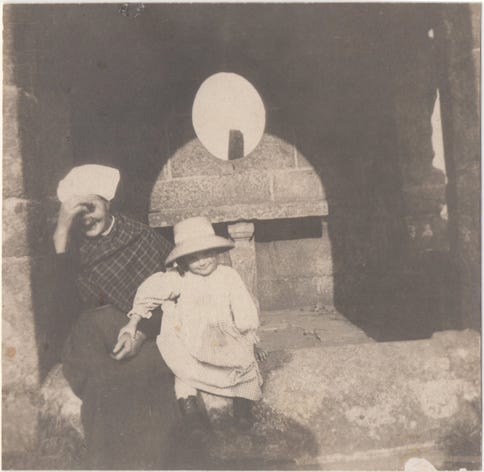
This acquisition started a lifelong fascination with snapshots. “I’ve been collecting them for pretty much my entire adult life,” Rotenberg tells me. “I’m not sure I’ve done anything else as consistently. For a long time I thought I was the only one who cared about snapshots the way I did. I wasn’t, but it took a while for me to meet other collectors.”
Online, in places like Reddit, you’ll find communities with tens of thousands of members discussing the objects they’ve found, poring over the aesthetic and historical value of them. That’s an intriguing differentiator between a snapshot and an artwork, and how they’re treated. “Museums in the U.S. currently treat snapshots as documents of what people have done with snapshot cameras since their early days,” he says, highlighting their historical value. “But many or most collectors look at them aesthetically, or else have specific subject interests.”
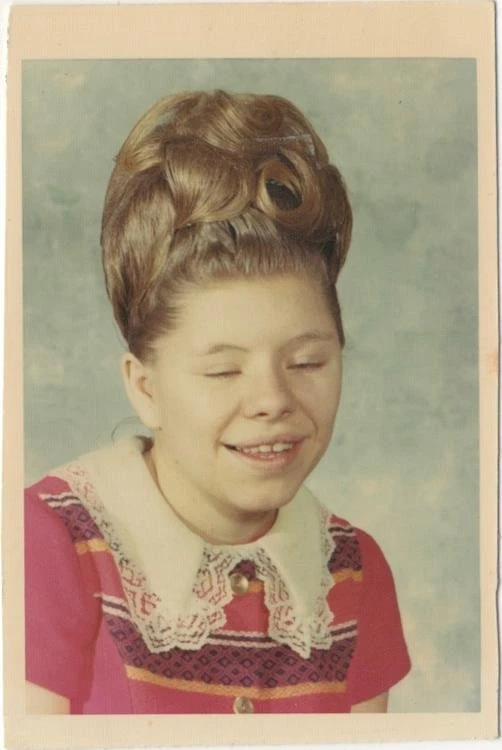
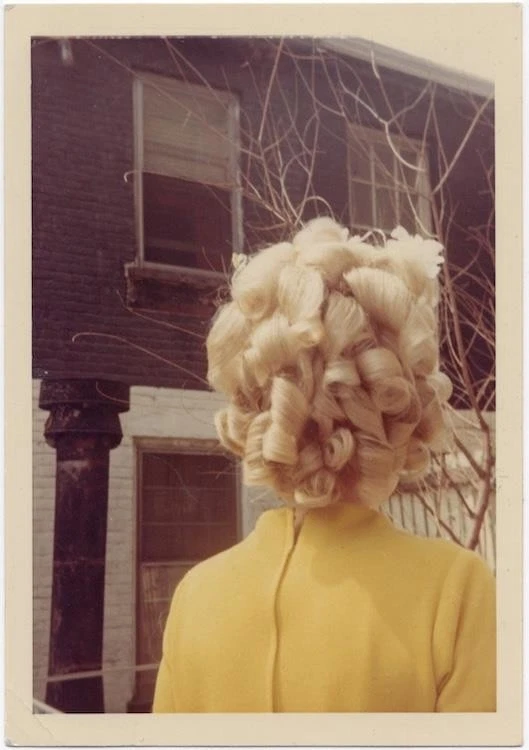
Many collectors will find themselves stumbling upon Rotenberg’s eBay page, out.of.frame, where he’s sold over 15,000 snapshots. Some of them look like they’ve lived under the pillows of lovers, or like they would feature on the album cover of a ’00s indie record. They have an undeniable aesthetic value, like the posed pictures of fine art photographers, even if that’s accidental. Like a ‘60s school portrait of a girl with her eyes closed, inscribed to her father on the back (“To dad, you are a good dad”) or another of a woman’s elaborate hairdo from behind. It’s possible—in many cases likely—that the people in these pictures are still alive, but here they find a new life as an artistic object and a snapshot of a past moment in time. Every Sunday Rotenberg posts these pictures for auction, and finds the same people come back, time and time again, to purchase them: “I occupy a niche within a niche as a dealer,” Rotenberg says. “I attract people who have similar tastes. Most of them keep coming back, and I actually know a fair number of them personally.”
While Rotenberg has developed an industry out of these discarded photographs, giving them an intriguing artistic value, others on the receiving end have treated the act of acquiring snapshots with their own sense of emotional or moral duty. The lecturer Glen Gilchrist’s specific interest is glass plates, a method through which photographs were captured, before being developed, in the late 19th and 20th century. His fascination started with his discovery of one he featured in: an undeveloped glass plate frame picture of Gilchrist and his grandfather from 1974. “I started wondering if I was the only person to have this photo, and if someone found it now, what would they see or think,” he says. After finding it, he started scouring the internet and markets for more, buying and developing the ones he found: pictures of wood workers, dilapidated houses, children, military workers. “There is a non-zero chance that I—and now you—are the only people who have seen these in almost 100 years. The people in them are, in some way, lost.”
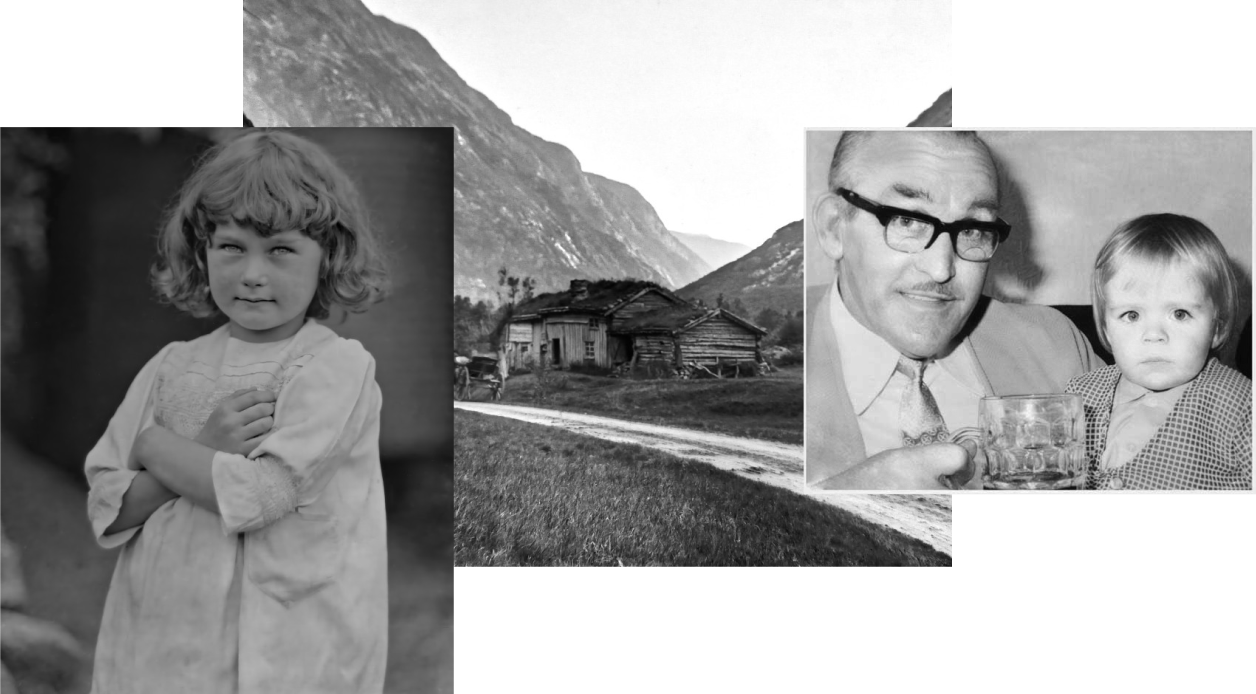
“It feels like an overdeveloped sense of empathy for these people that I can’t fully explain,” Gilchrist adds, “but I know how it feels. It’s like a combination of profound sadness that someone cared enough at one point in time to take a photo—when these things weren’t cheap, so in some way the photo mattered—and my emotional reaction to the idea that these are now being discarded and traded away.”
These newfound owners of old photographs may be inadvertently reviving a history of forgotten people, or moments in time that haven’t been comprehensively documented elsewhere. Rotenberg talks about how he started uncovering photos of the mid-20th century hula craze, eventually finding examples of it in many places. Another collector tells me of how they learned of a musician after finding his name inscribed on the back. Knowledge of his talent had been contained to his own era; Traces of his legacy were scant online. This old acquired picture unlocked it.
I read a comment on a post that I found poignant: That in our pivot to camera phones and digital cameras, we have immediate access to so many of our own images, but they’ll have a less interesting life after we’ve gone. There can be no boxes of iPhone photographs, only intangible clouds. Eventually, once the paper fades and the celluloid disintegrates, there will be no pictures like the ones we find in flea markets. Our memories are logged more robustly than ever, but how do others access them once we’re gone? From that perspective, these intrepid acquirers of discarded pictures are helping life continue.
