It’s no secret that Gen Z is hooked on early aughts style, but if your algorithm has felt particularly Y2K obsessed as of late, you aren’t alone, and likely have costume designer Mirren Gordon-Crozier to thank. The fuel behind its current resurgence? The Body, Netflix’s sapphic thriller series (equal parts supernatural and psychological) following a Catholic high school’s dance team in the aftermath of a Halloween ritual gone wrong.

Set in 2004, the show is an AIM-obsessed period piece complete with matching team tracksuits, Devon Aoki red carpet recreations, and more vintage handbags than one can count. It’s taken the lesbian internet by storm for its scarily accurate portrayals of the horrors of homoerotic teenage friendship, but the costumes have propelled the show into the forefront of our public consciousness. Every piece sourced by Gordon-Crozier is so biblically accurate that stills from the show could seamlessly appear alongside Mischa Barton and Paris Hilton on the walls of your childhood bedroom or a present day 21-year-old’s fashion school mood board.
Part of the show’s accuracy comes from Gordon-Crozier’s own lived experience as a teenager in the early 2000s. When gathering her references, she was pulling from imagery of her own childhood style icons and the runways that enchanted her fashion student self. To get a closer look at the inner workings of the mind behind The Body’s bedazzled bumsters, we had Mirren Gordon-Crozier share her favorite parts of the show and the mood boards that started it all.
FLORA MEDINA: Where does your design process begin? Does it vary between characters?
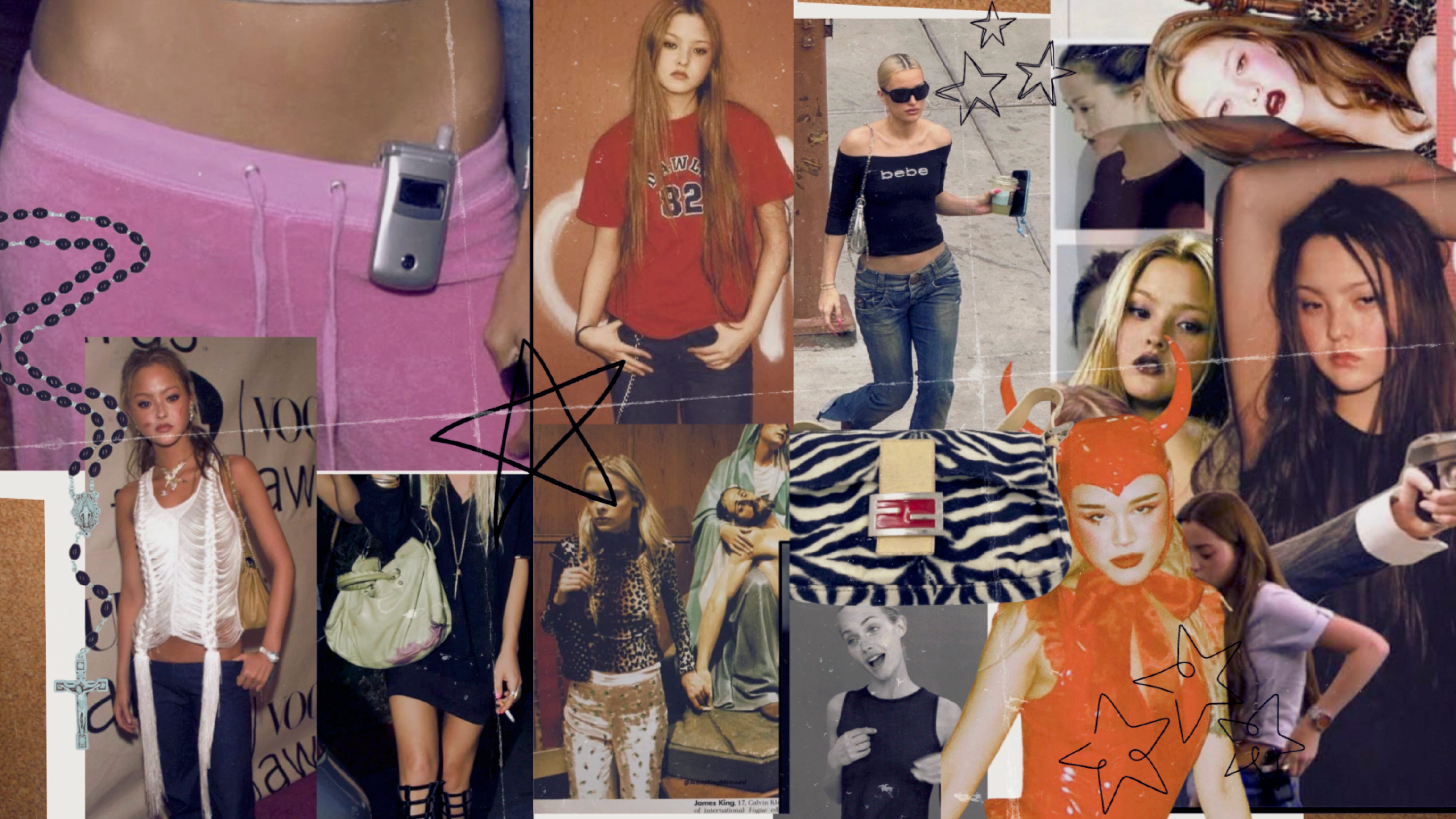
MIRREN GORDON-CROZIER: It always begins with the scripts. On The Body, I had all eight episodes before I started, which is rare in TV, so I could see each character’s whole arc from day one. The starting point was the same for everyone, but each girl took me somewhere different once I started to explore who they could be through visuals and mood boards. I started with in-depth conversations with the director and producers, Quinn Shephard and Gina Gammell, about who each character was and what they represented.
When you are designing for a series like this, are you starting with a bigger picture in mind for each character, or were there specific items you knew you wanted to bring in from the beginning?
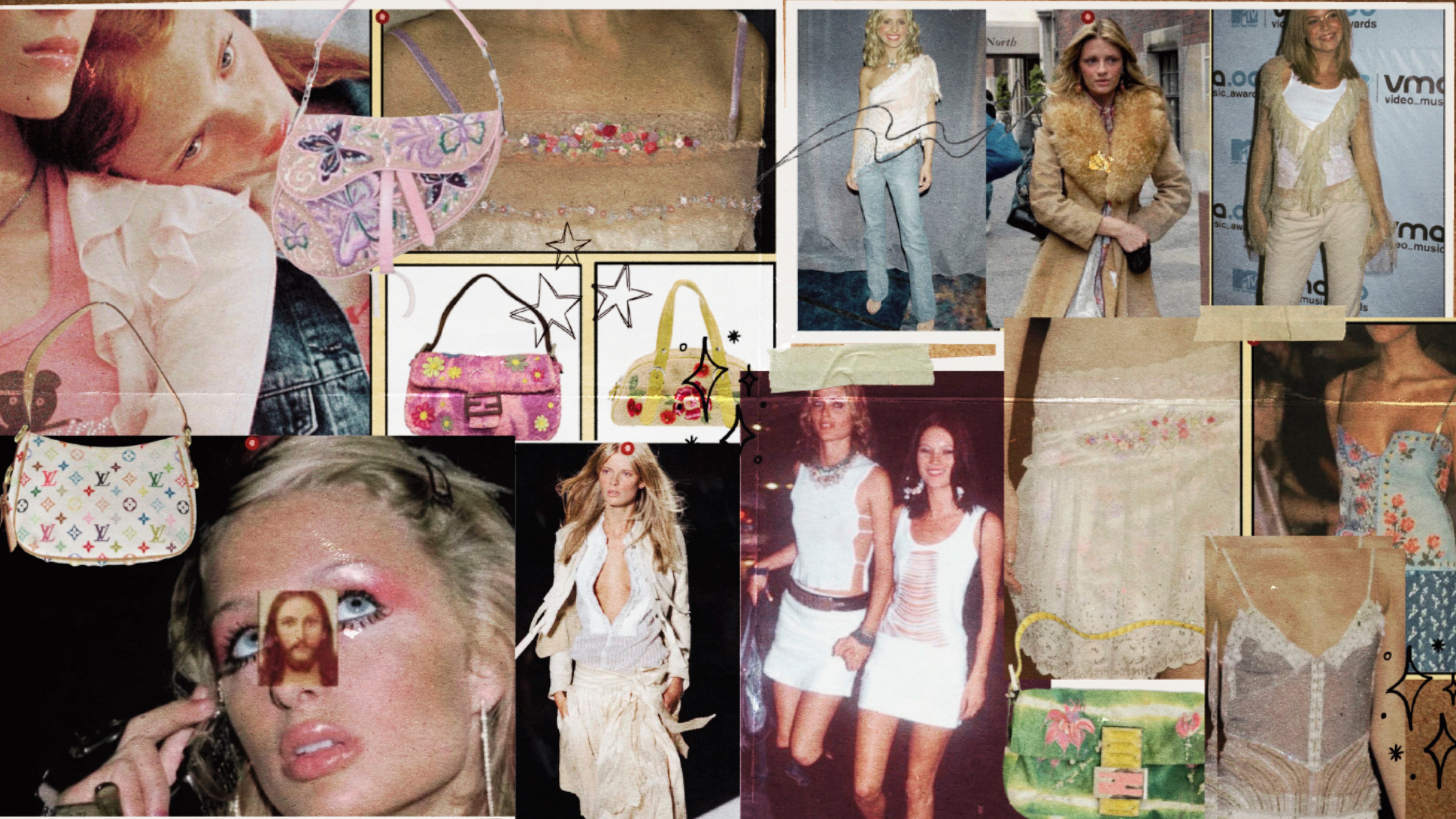
A bit of both. The Catholic school uniform was where it started, because that’s how we first meet these girls. Straight away we needed to show what kind of girls they were, and the designer bags did that. These aren’t your average schoolgirls—they’re the Lions.
Quinn had a very strong vision, and I built walls and walls of images for us to study. We both knew we wanted the show to feel fashion-forward and unique, so I carved out a distinct style for each Lion and we held to it all season. Not everything we wanted could be found or bought, so we made some pieces ourselves.


Was there a particular character or scene that you had the most fun designing?
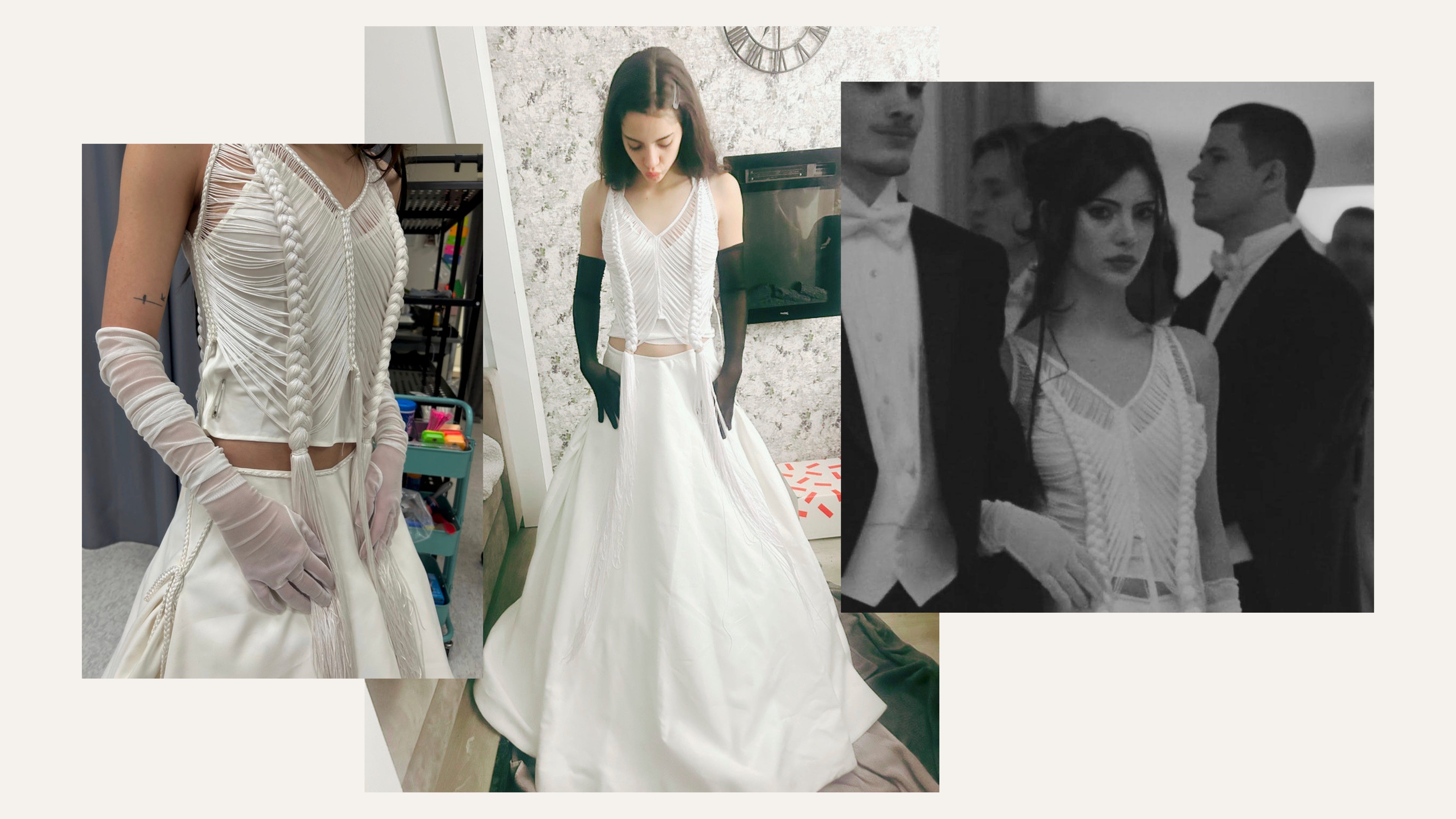
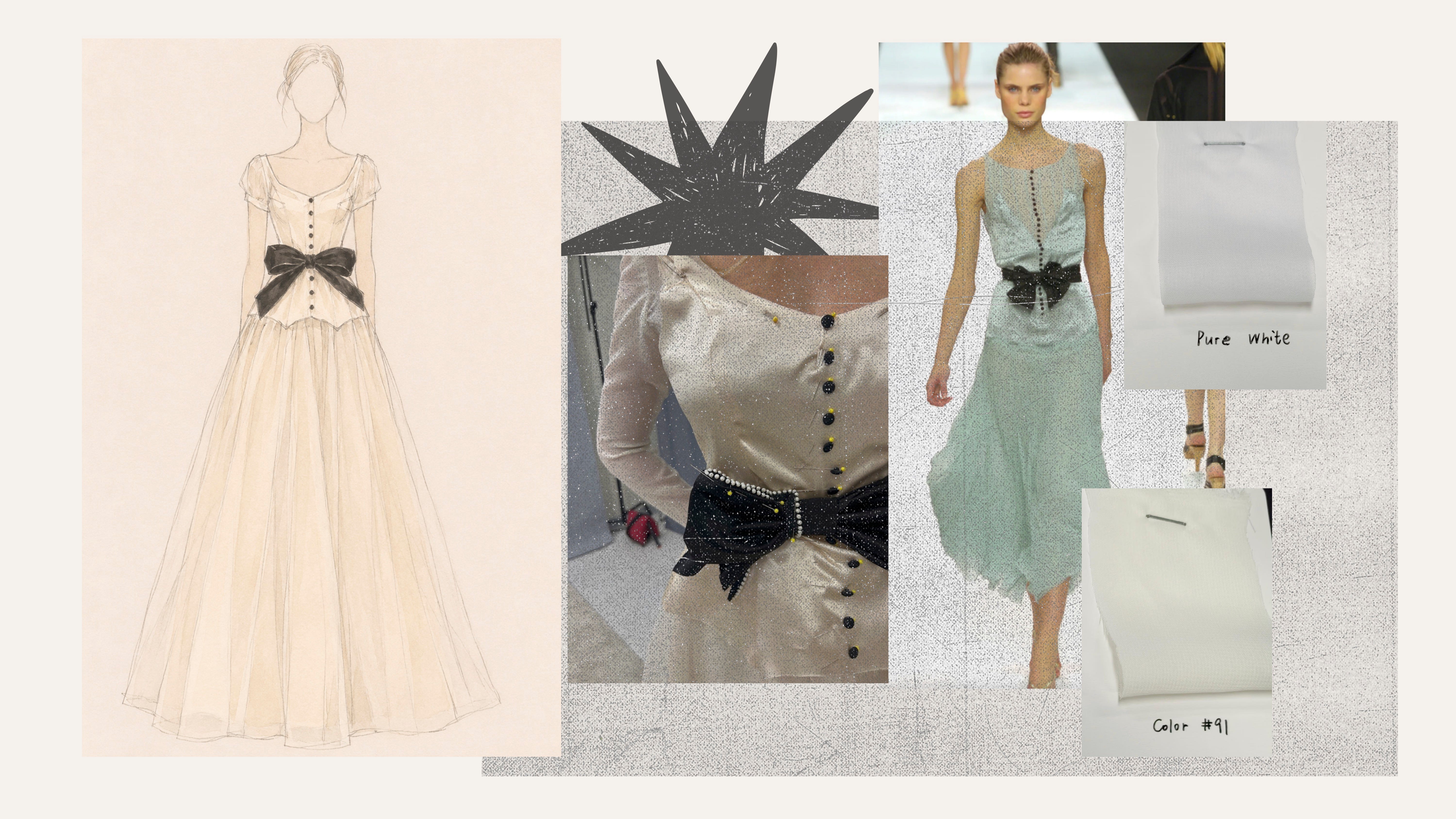
First, the debutante ball. Once again, each Lion had her own archetype. For Elise, I started from a red carpet photo of Devon Aoki in 2000 wearing a white braided top. We remade it and paired it with a white ball gown skirt. For Lisbeth, I wanted a little Old Hollywood glamour, so we made her a dramatic floor-length silver sequin gown with a plunging neckline, structured shoulders, fitted sleeves, and lots of ostrich feathers to make it extra ridiculous, finishing the look with thin brows. For Anya, I took a dress from the Stella McCartney-era Chloé runway and remade it in white. None of them wanted to be there, and that’s what made it so funny: These girls, completely over it, in big white gowns and gloves.
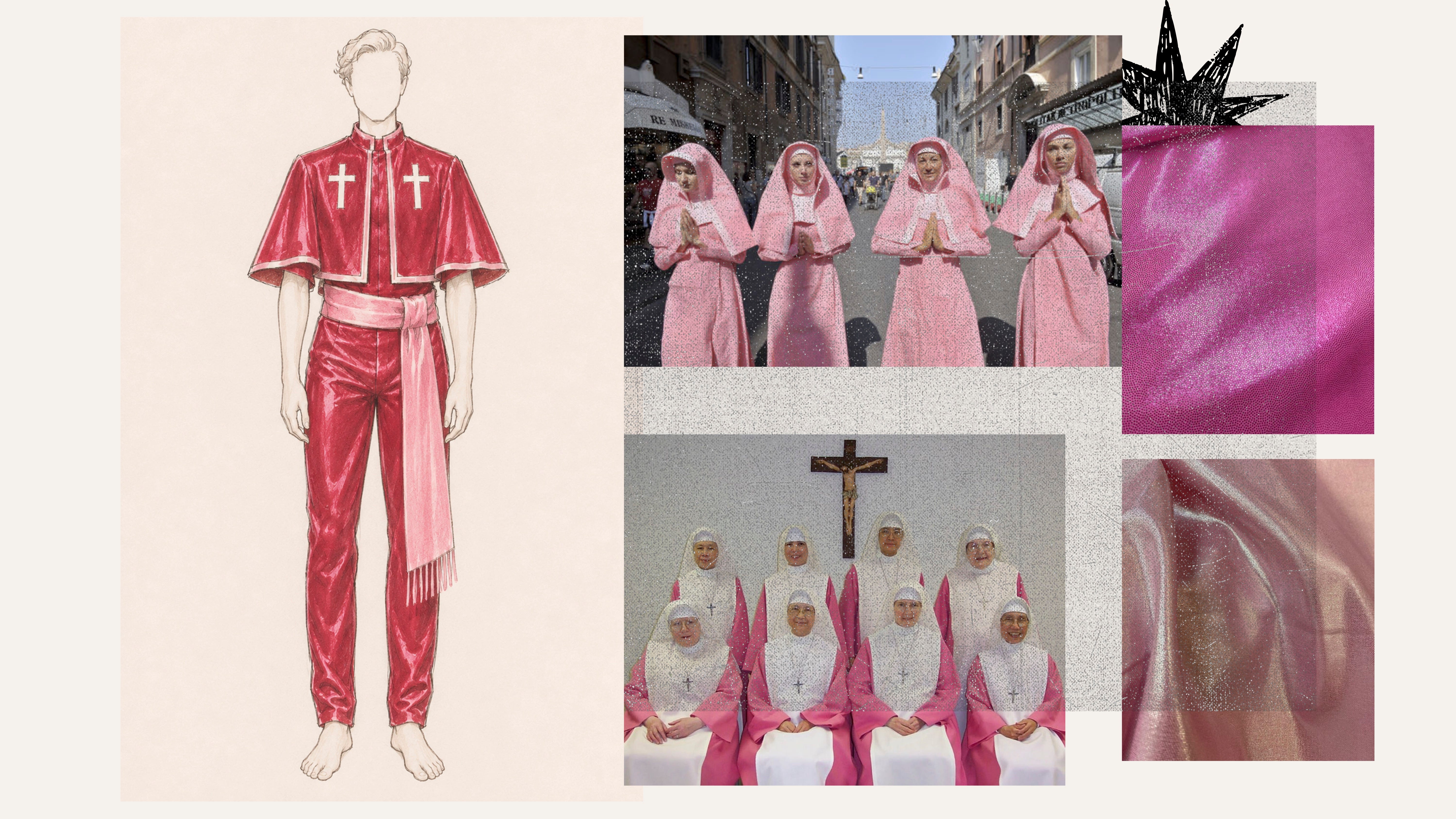
Second, the Glory Holes dance costumes. This look was inspired by the “Pink Sisters”—the Holy Spirit Adoration Sisters, an order founded in the Netherlands known for their pink habits. It was a sacred spin on something high-shine and theatrical: a hot-pink metallic jumpsuit and vestment-style capelet, with the dancers in matching spandex habits.
How much were you collaborating with Quinn or the actresses themselves when you put together everyone’s costumes?
Quinn is fashion-obsessed, and we’d send each other links to shoes and bags all day long. The whole world came out of her head, so it mattered to me that I carried out her vision, and we had so much fun doing it together. The girls were all completely into the Y2K aesthetic. We were discovering the characters together, so it was important that everyone felt comfortable in their costumes and felt the clothes really embodied who they were playing.
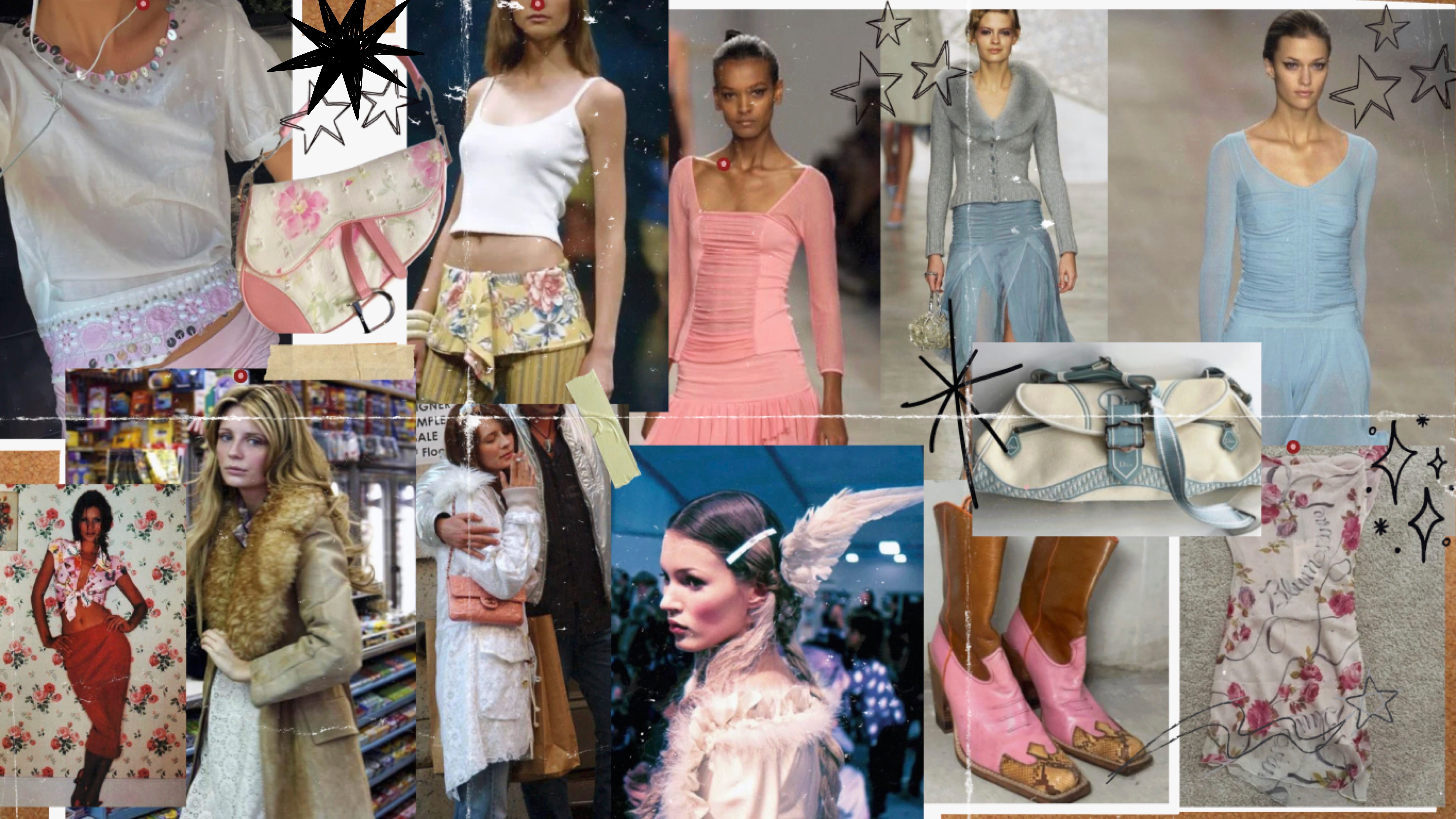
The show is a period piece, set in 2004. What elements of Y2K style were you most excited to include?
I went to fashion school in New York, so for me it always comes back to models and runway shows: Kate Moss, Devon Aoki, Gisele, and Daria Werbowy. I loved Marc Jacobs and Chloé back then, and going into their archives and pulling elements from those collections into the show was such a joy. Because the Lions are all dancers, they could really carry the low-slung skirt, cropped top, and knee-high boot look. I was so excited about that one—it’s such a good look.
The bags obviously are a huge moment for the girls. Where were you sourcing all of the bags you gave the girls?
I think we had about 100 bags in total. Anya had about eight City bags in her collection alone. We sourced them from everywhere possible: eBay, Depop, Poshmark—you name it.
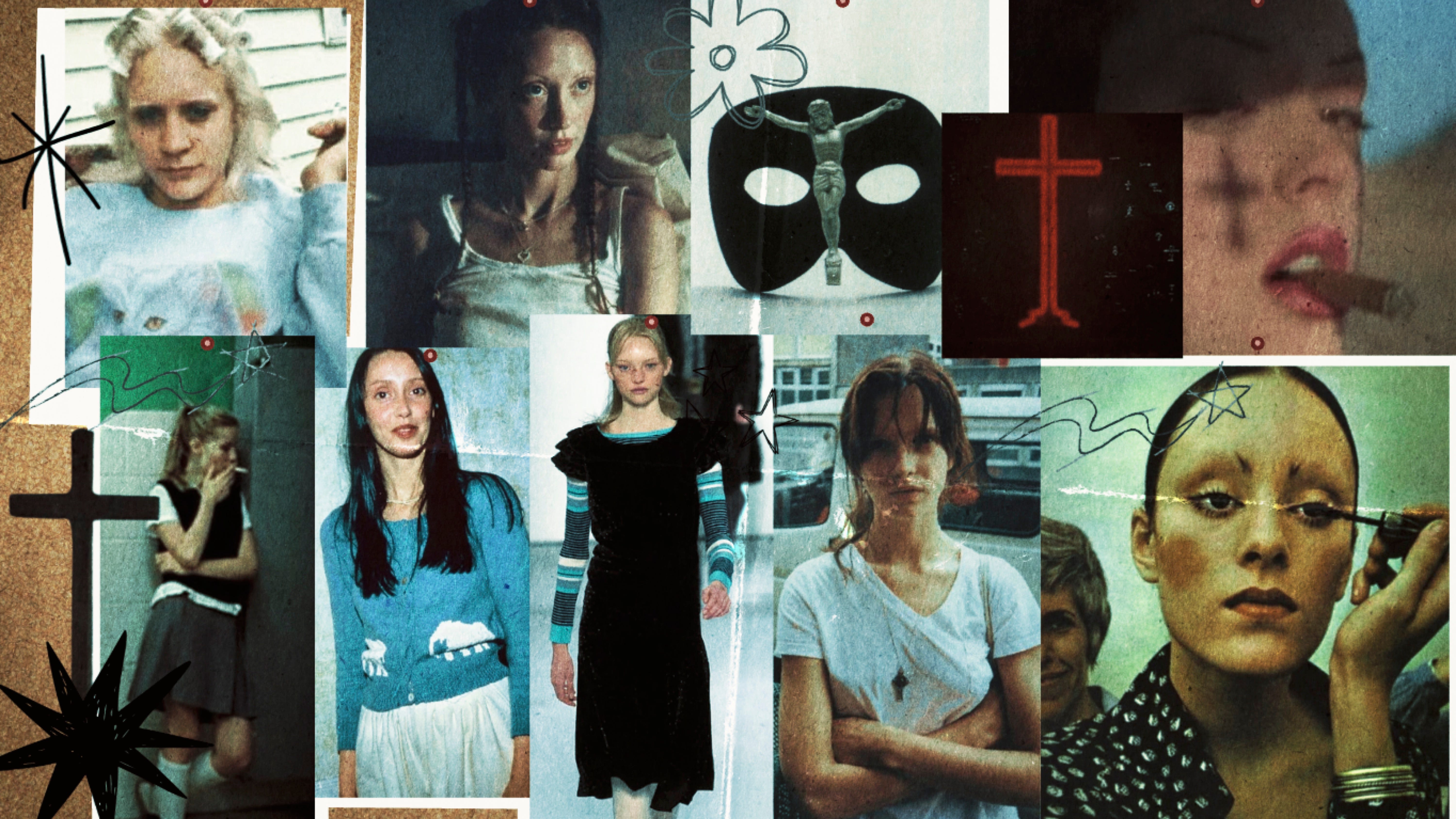
What is one trend from 2004 you’d like to bring back, and one you think should die in the aughts?
Flip phones and making mixed CDs! Though I’m pretty sure every fashion trend is back by now… I think trucker hats should definitely be left in the past.
For each of the main girls, what was one costume piece that you think really defined or embodied your vision for their character?
For Anya it was the turquoise Balenciaga bag with a rosary. Elise’s was her Gucci wrap-around shades. Lisbeth’s cat sweatshirt for sure, I think she looks exactly like the cat when her eyebrows are bleached. Grace’s was her “Has anyone died for you?” sweater, and Maddie’s was the pink moto jacket she wore to the club.
Who were your personal style icons in 2004?
Kate Moss in her Vivienne Westwood pirate boots, and Sienna Miller with her denim and cowboy boots—though I could never really pull it off!
Did you have a favorite piece or accessory in your own closet in 2004?
My vintage denim Levi’s skirt that was shredded to pieces, along with the Uggs I wore with it. And, of course, a beat-up olive green Balenciaga moto bag.