


I have been going to fashion week for more than a decade, which is long enough to develop the usual occupational ailments—an irrational fear of shows starting 45 minutes late, a forensic knowledge of which shoes can survive 20K steps (yet still wearing the wrong ones), and a tendency to never have lunch or use the bathroom when appropriate. Somehow, though, I had never done New York.
NYFW has acquired a strangely persistent bad rep over the years. The complaint usually goes something like this: the cool designers left, London has CSM, Paris has all the heat, Milan has all the money, and New York is what, exactly? Quite a lot, as it turns out. This season I finally went, partly for work and partly because I wanted to see whether New York Fashion Week was actually as beleaguered as everyone keeps saying it is.
Fashion Week in New York has always had something to prove. Eleanor Lambert launched Press Week in 1943, when war cut editors off from Paris; 55 years later, Helmut Lang moved to New York and decided to show before Europe, with Calvin Klein and Donna Karan following suit. New York jumped the queue, and fashion month as we know it was reshuffled. New York gets interesting when it stops worrying about the other cities and does its own thing.
I arrived with my bf Will, who loves New York but hasn’t been in 15 years, and we spent the first half of the week at the W in Midtown, which was fab, before moving downtown to Nine Orchard. There, I shared an elevator with Rosalía and somehow behaved like a normal adult who didn’t want a selfie (gulp). There was excellent food, too much food, and one sushi-related gastrointestinal incident whose perpetrator will remain unnamed for legal and karmic reasons.
But enough about my bowels. Let’s talk fashion!
The big dawgs.
If the cliché is that New York has lost its heavyweights, someone forgot to tell the heavyweights. Ralph Lauren kicked things off with the kind of assured American fantasy that makes all the industry chatter about “brand codes” seem faintly ridiculous; Michael Kors went mod at MoMA, with Nico on the soundtrack; and Calvin Klein continued to click into place under Veronica Leoni, who seems increasingly comfortable stripping the house downto the good stuff. Khaite, of course, kept doing Khaite. It’s refreshing to experience a fashion week that isn’t embarrassed by the fact that fashion is also supposed to sell clothes.
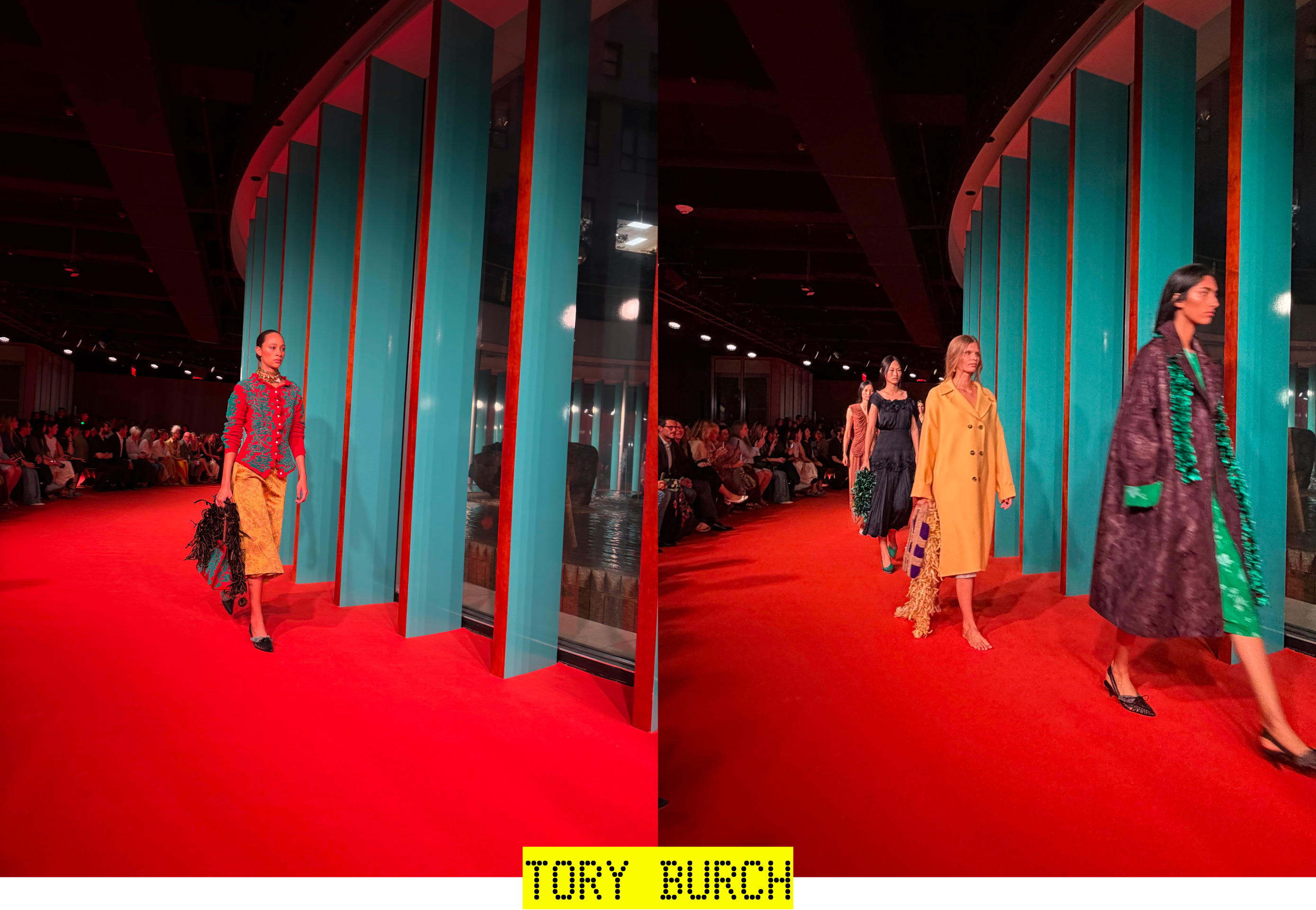
Tory Burch remains one of the most interesting big New York brands to watch. This season, opulence collided with sportswear—delivious texture and shades upon delicious texture and shades—and at one point a scarf fell onto the runway in front of me, so I picked it up to prevent a model from going flying, and then took selfies with New York Mag’s Sam Hine. Fashion journalism!
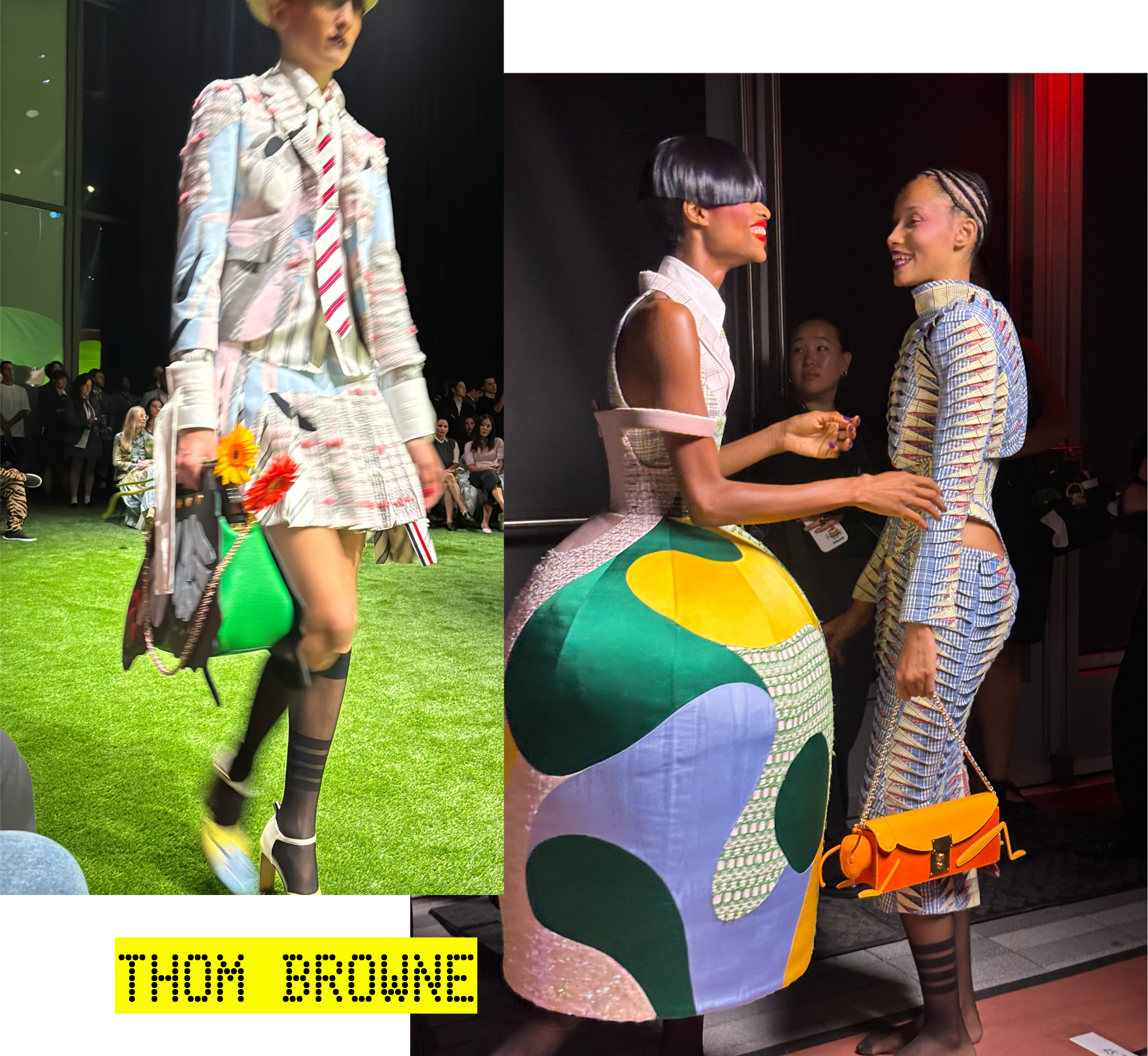
Thom Browne closed the week with a giant chrysalis, dancing caterpillars, and full fashion theater. Luke Meagher of Haute Le Mode had a simpler defense of the whole thing when I asked if NYFW still matters: “Why shouldn’t she? A commercial juggernaut, Miss Girl.”
New guard, old houses.
Just as interesting as the big-ticket shows was what was happening inside the old houses. Henry Zankov made his debut at Diane von Furstenberg, bringing the house back to the runway without treating its famous codes like museum pieces, while Rachel Scott pulled off the rather insane feat of showing both Proenza Schouler and Diotima in the same week. Her second Proenza collection felt freer, more assured, and chic as fuck, while Diotima remained unmistakably her own.
New York is also very good at making room. Vanity Fair’s José Criales-Unzueta pointed out to me that when established designers stepped away from the week after the pandemic, they inadvertently created space for younger names to become NYFW’s protagonists. Some eventually leave for Paris, Vacquera being the obvious example, but that doesn’t diminish New York’s role in making them. As José put it, “Willy would not be in Paris, and would not be Willy if he didn’t have New York.”
The fun part.
Writer Taylore Scarabelli was less interested in defending New York against the other fashion capitals. “I’d be hesitant to say that New York Fashion Week matters more or less than the rest at a time when capital-F Fashion—by which I mean the clothes produced by and for the one percent—is less culturally defining than ever,” she told me. “That being said, I’m here for the peacockers and the off-calendar brands.”
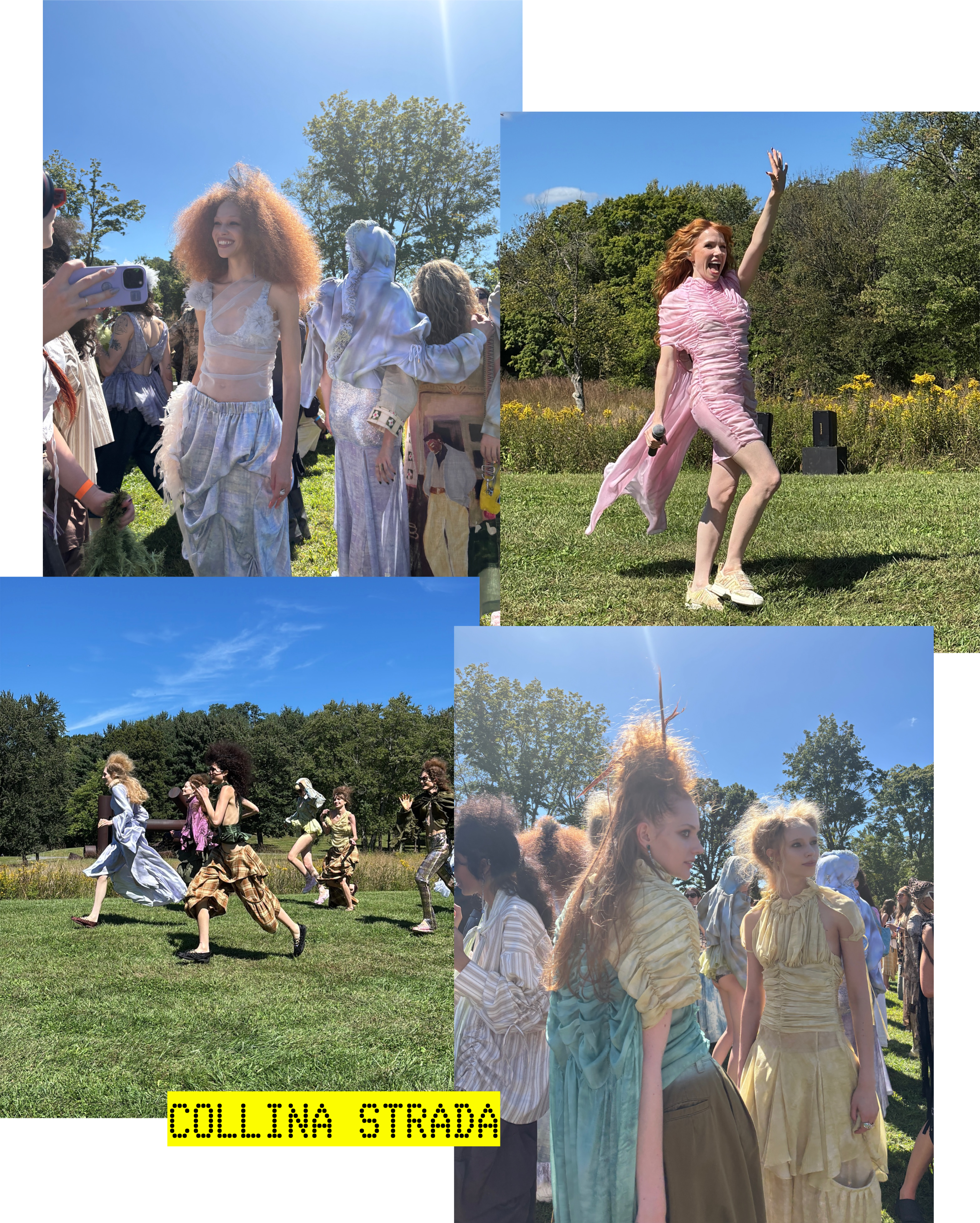
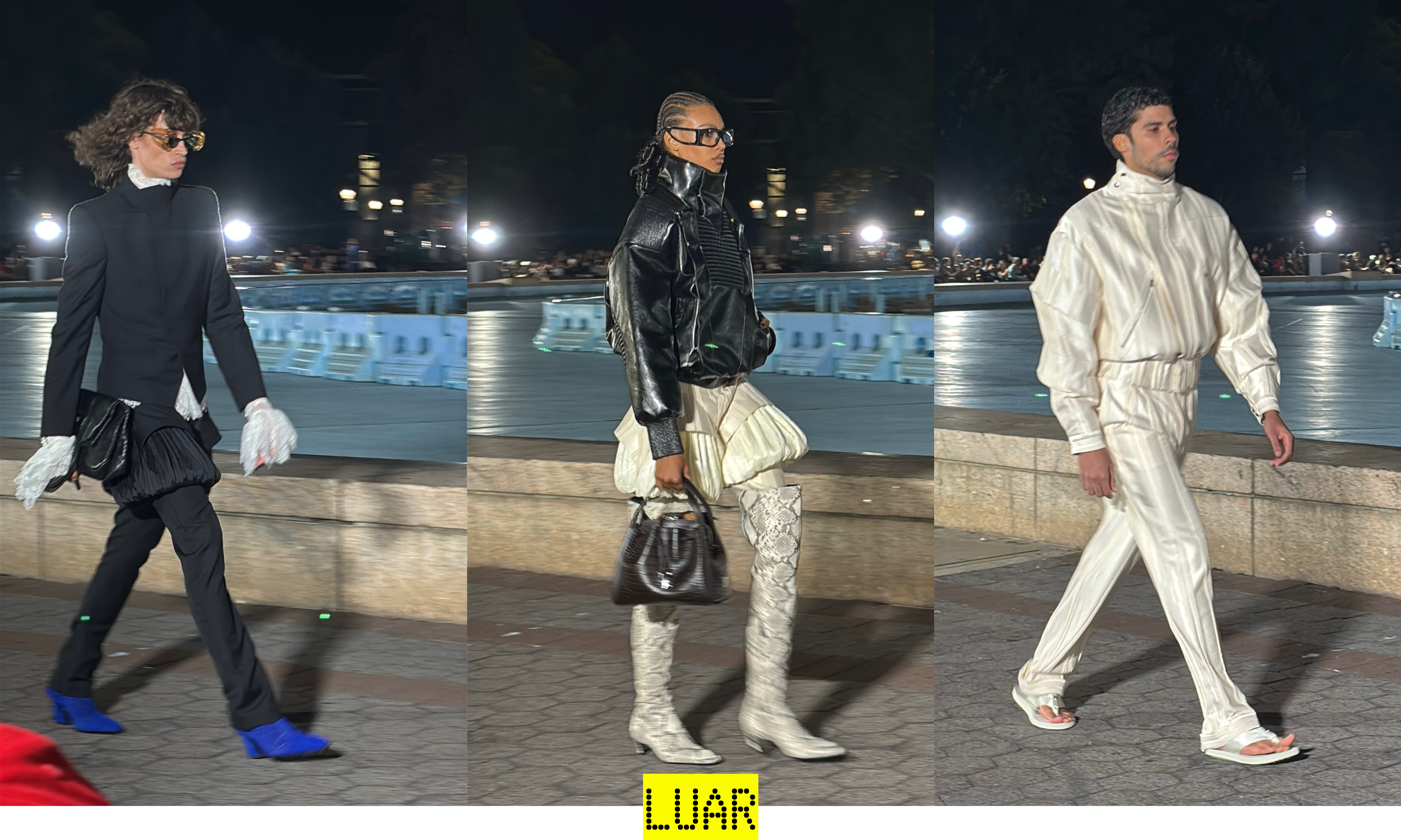
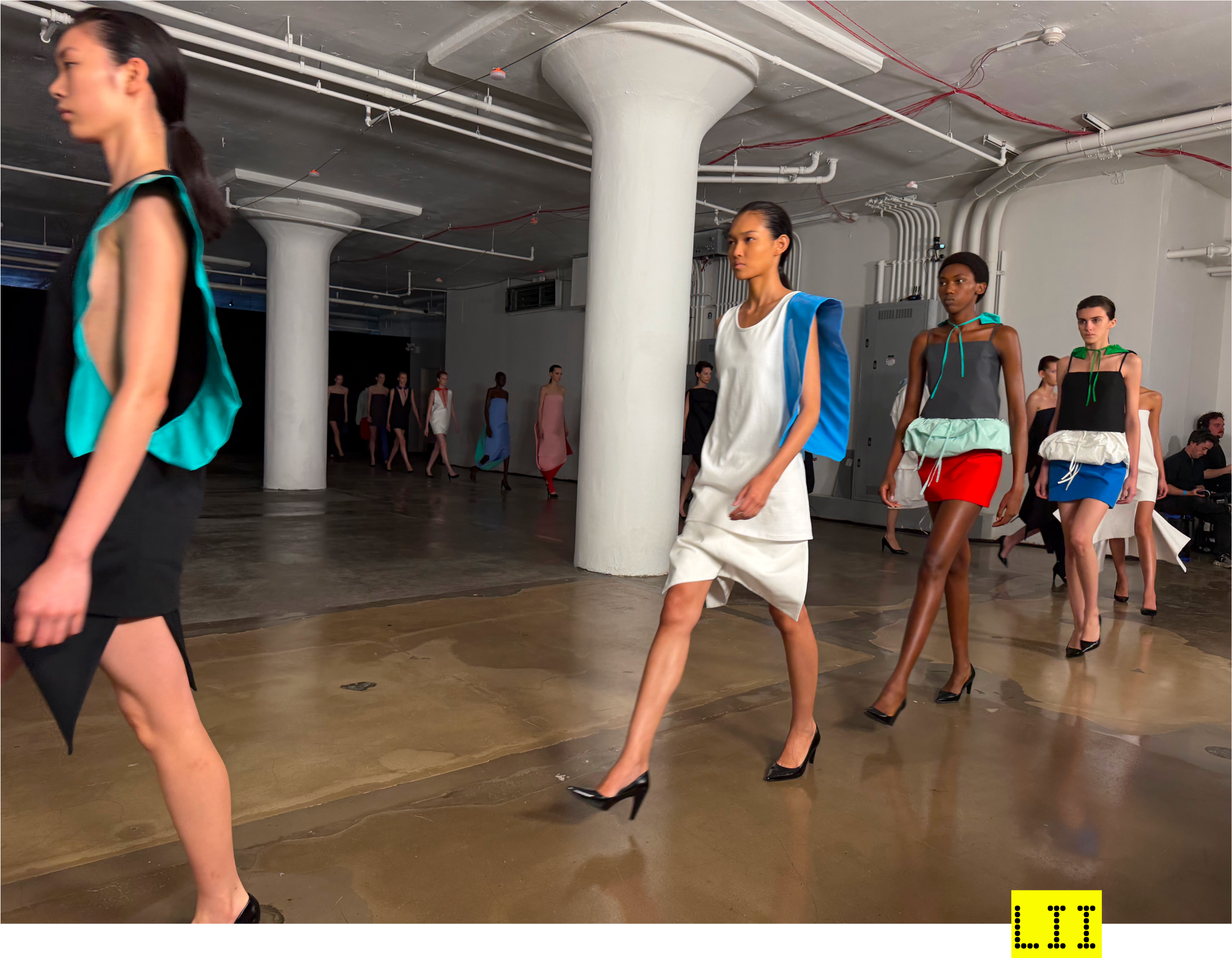
Same. The New York I fell for wasn’t necessarily the one mounting the biggest show, but the one sending you across town, up some stairs, into somebody’s apartment or, in Collina Strada’s case, all the way to Storm King (don’t ask me where that is), where Carly Rae Jepsen performed and a margarita fountain rewarded the schlep. Miss Claire Sullivan celebrated five years with go-go dancers and Ellie the Elephant; Kai Cenat, the world’s biggest Twitch streamer, made his runway debut with his new label Vivet; Luar took over the Unisphere in Queens; and Lii’s Zane Li, fresh from winning the Karl Lagerfeld Prize at the LVMH Prize, delivered one of my favorite collections of the week, with its strange color and sporty precision.
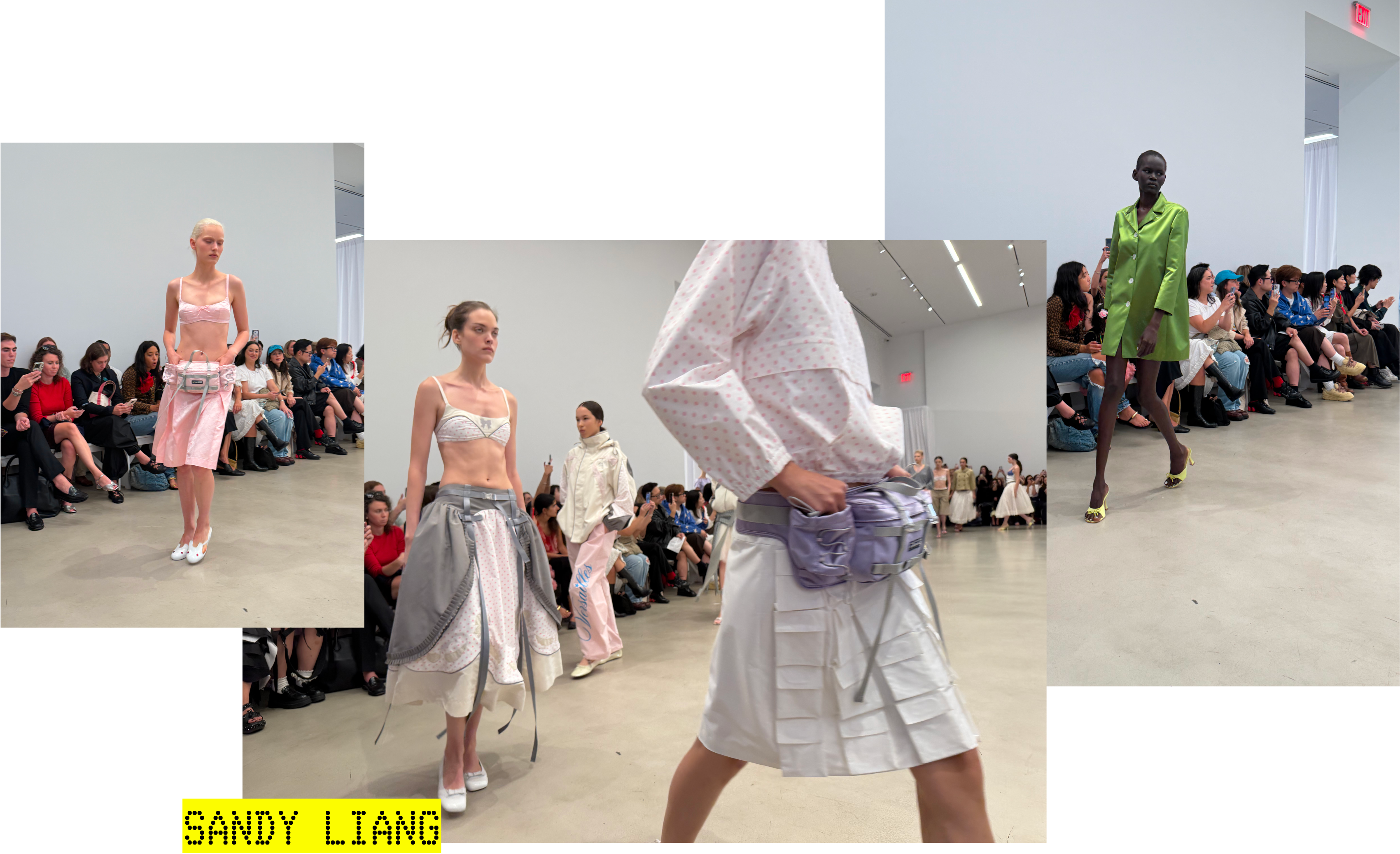
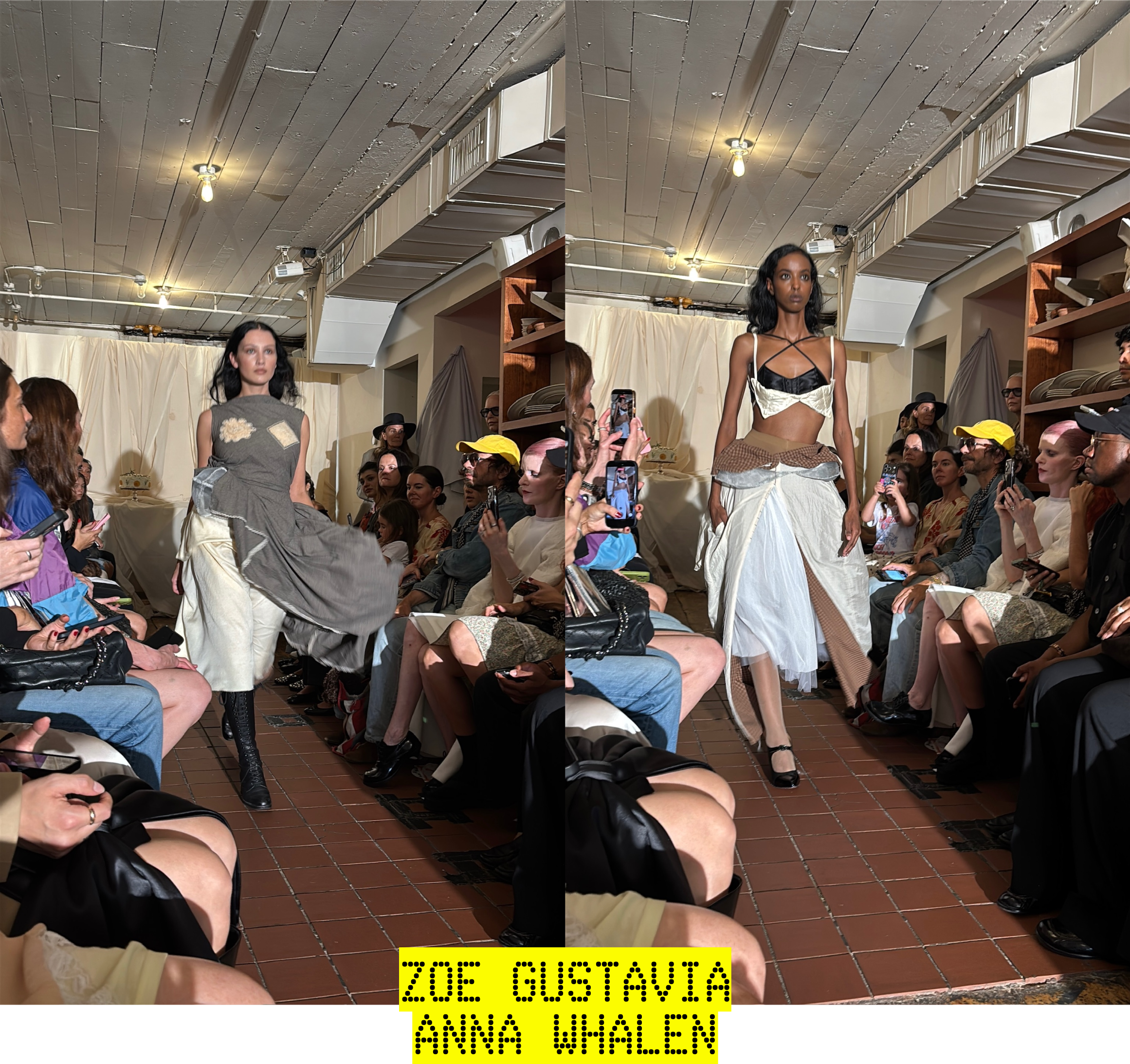
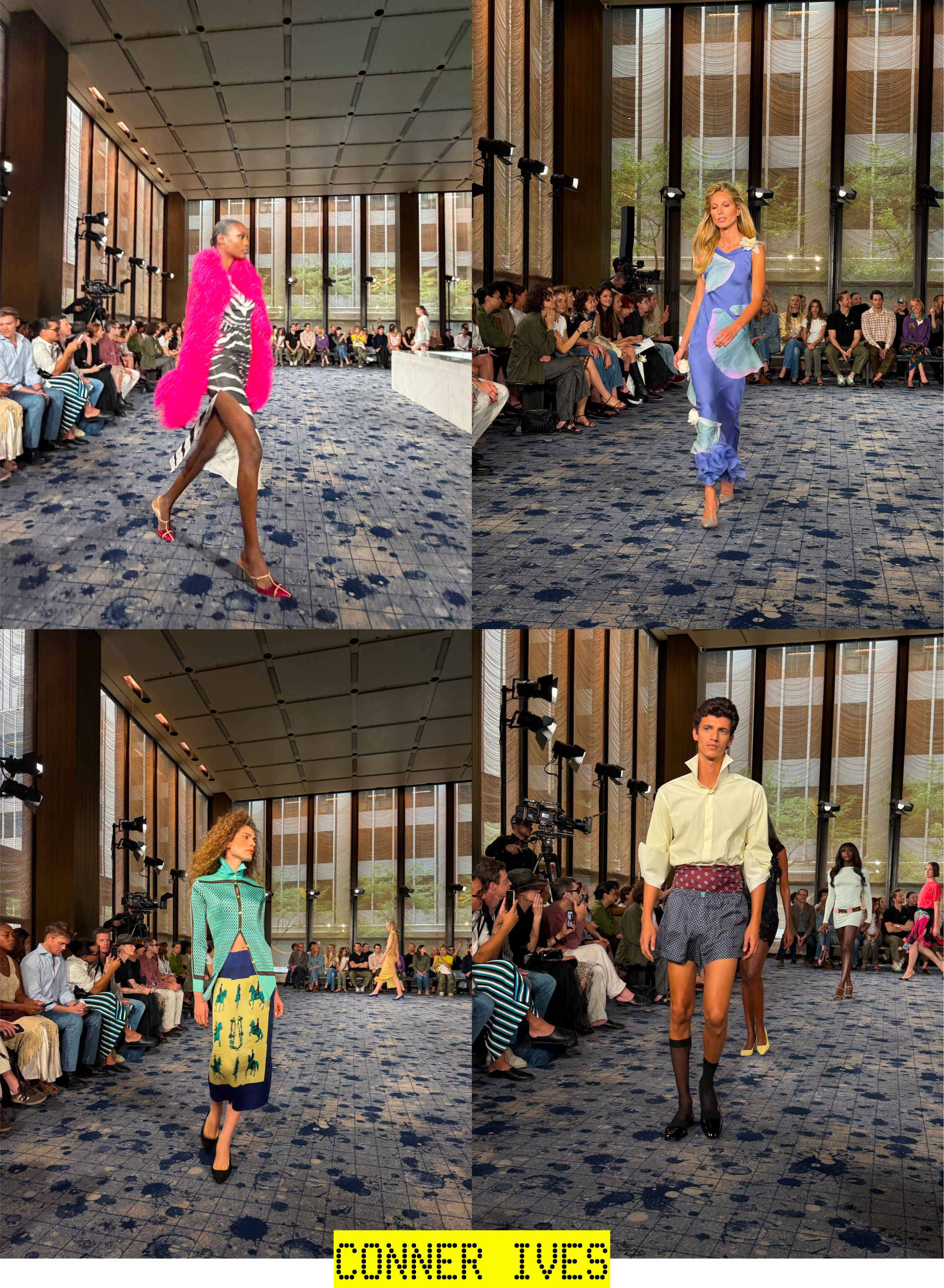
Conner Ives made his New York debut at The Grill after years of showing in London. “Returning to NY was always my intention,” he told me, explaining that people were often surprised to learn he was from New York. “I felt I had to correct the narrative.” Elsewhere,Sandy Liang roughed up her particular strain of downtown femininity with sportswear, while Zoe Gustavia Anna Whalen and SC103 made the case for clothes that still feel intensely touched by human hands. Emily Dawn Long skipped the runway entirely for The Crack of Dawn, a genuinely good fashion film, which is rarer than it should be.
Our EIC-to-be Steff Yotka summed it up best: “NYFW matters because New Yorkers have the best humor, grit, glamour, and spunk. If you don’t feel that, you’re just going to the wrong shows.”
Where else does Ralph exist in the same week as a handmade pair of jeans in somebody’s apartment? I <3 NY.

Thanks for this optimism!