


The first time I interviewed someone for BUTT magazine, words came out of my mouth that I wouldn’t have committed to print anywhere else. It was an interview with the London author and journalist Jason Okundaye, who was on the precipice of releasing his book Revolutionary Acts, about the lives of Black gay men in Britain. The book is beautiful, sincere, flirty—a real hit with critics. The first line of our BUTT exchange? “The night before the photoshoot, I veeted my buttcrack for the first time.” We spoke for nearly two hours about his work, sexual habits, and his thoughts on contemporary gay culture, then hit the steam room at a private member’s club together.
BUTT is seductive: a “fanzine for f*ggots” started in the Netherlands in 2001, the brainchild of Gert Jonkers and Jop Van Bennekom (my publishing heroes), the creators of the equally smart Fantastic Man and The Gentlewoman. The magazine quickly earned a reputation for being a smart, insouciant, and sexy dispatch for gay men, printed on dusty pink paper. Even today, everyone who agrees to be in its pages is down to clown: Smart interviewers speak candidly to authors, kinksters, fashion designers, musicians, porn stars, and politicians around the world, and then photographers like Wolfgang Tillmans and Nan Goldin shoot them. Some of my favorite highlights from recent issues include Kuba Ryniewicz’s hangout with a man who has a permanent marker fetish (colorful pictures!) and a photographic survey of smalltown queers. It is a cult magazine because its codes are clear—the team who make it know what’s BUTT and what’s not. To enter its club is a queer badge of honor.
The magazine ran for a decade, before Jonkers and Van Bennekom decided to hit pause in 2011. Then, in 2022, under the helm of a new chief editor Andrew Pasquier, BUTT returned. What’s beautiful is how that decade gap did nothing to dampen the magazine’s inimitable standing. So much so that TASCHEN, who’ve published two BUTT books before, are back for more. NEW BUTT, 592 pink pages of interviews and photography, has just been released. It’s sensual and sharp from top-to-bottom. As the new book landed in the hands of its makers, I chatted to Jonkers and Pasquier about it.
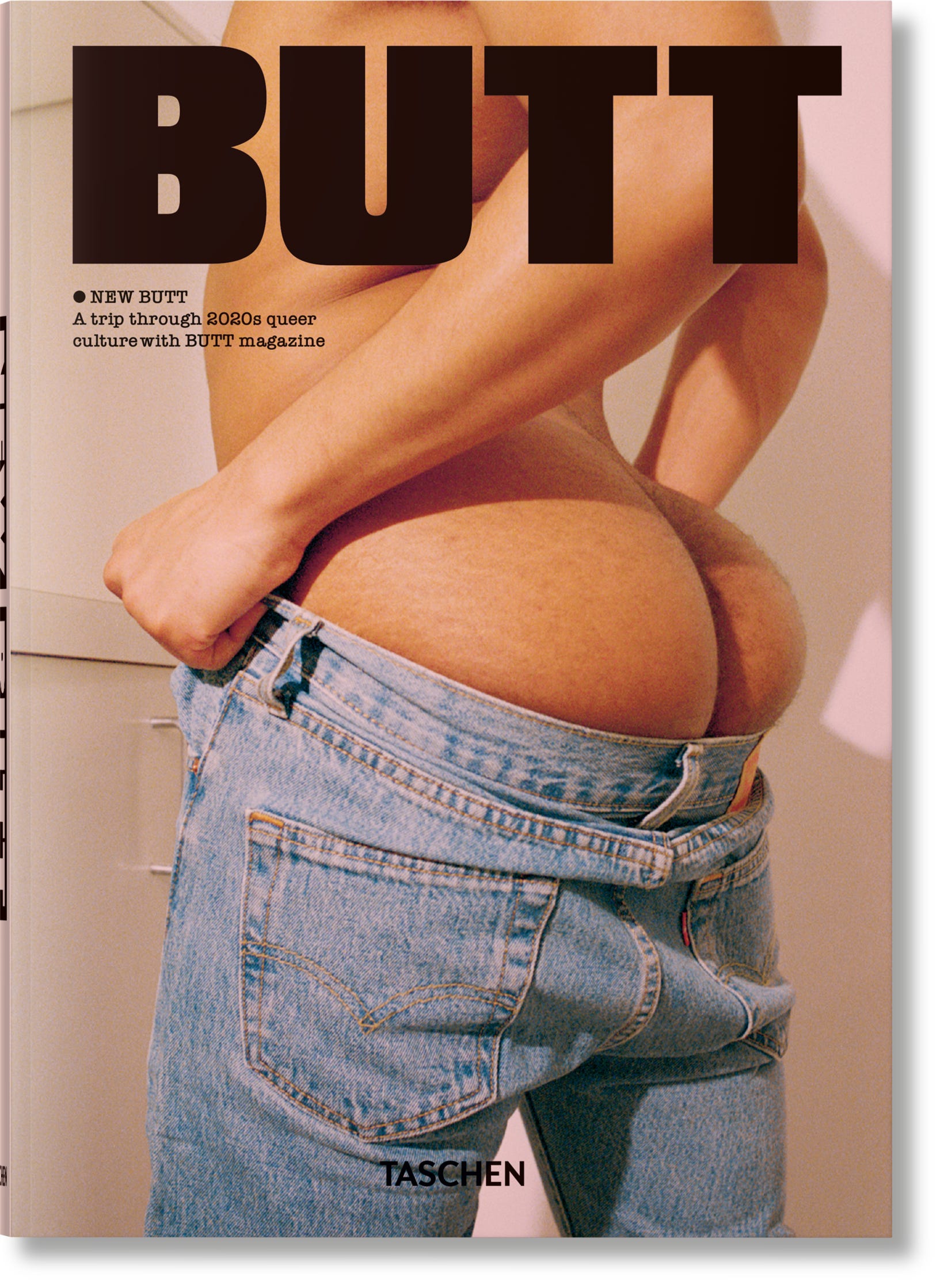
DOUGLAS GREENWOOD: Gert, when did you realize that BUTT had this disarming effect on its subjects?
GERT JONKERS: After one or two issues. It had that liberating openness for us asking the questions, as well as for the people answering them. Interestingly, I think that’s one of the reasons why, at some point, we stopped producing the magazine. Because it almost started to work against us. Society was getting used to the flat openness of social media and the internet, and it made people feel consciously guarded. Like, “Oh, all of a sudden I can’t speak openly anymore.” Then 10 years later, we had all gotten used to it. There’s no shame anymore, and people are frank—offline and online.
Andrew, how does that play into how you curate the people in the magazine today?
ANDREW PASQUIER: We benefit from that tradition of liberation that people would give to BUTT. They respect the cult status of it, so it almost becomes a self-fulfilling prophecy. When people say yes, even if they’re a massive celebrity, they know what it means, and then they deliver it. We don’t have to ask people to get naked in any of the shoots. We just get photos of people naked, or interviews talking about sex. Sometimes the subjects are almost trying to insert something about their sex life into the conversation that we didn’t even ask, because they’re like, “Aren’t you supposed to be asking me these personal questions?” We’re in a privileged position where people know what it means and also trust that it will be read by the right people.
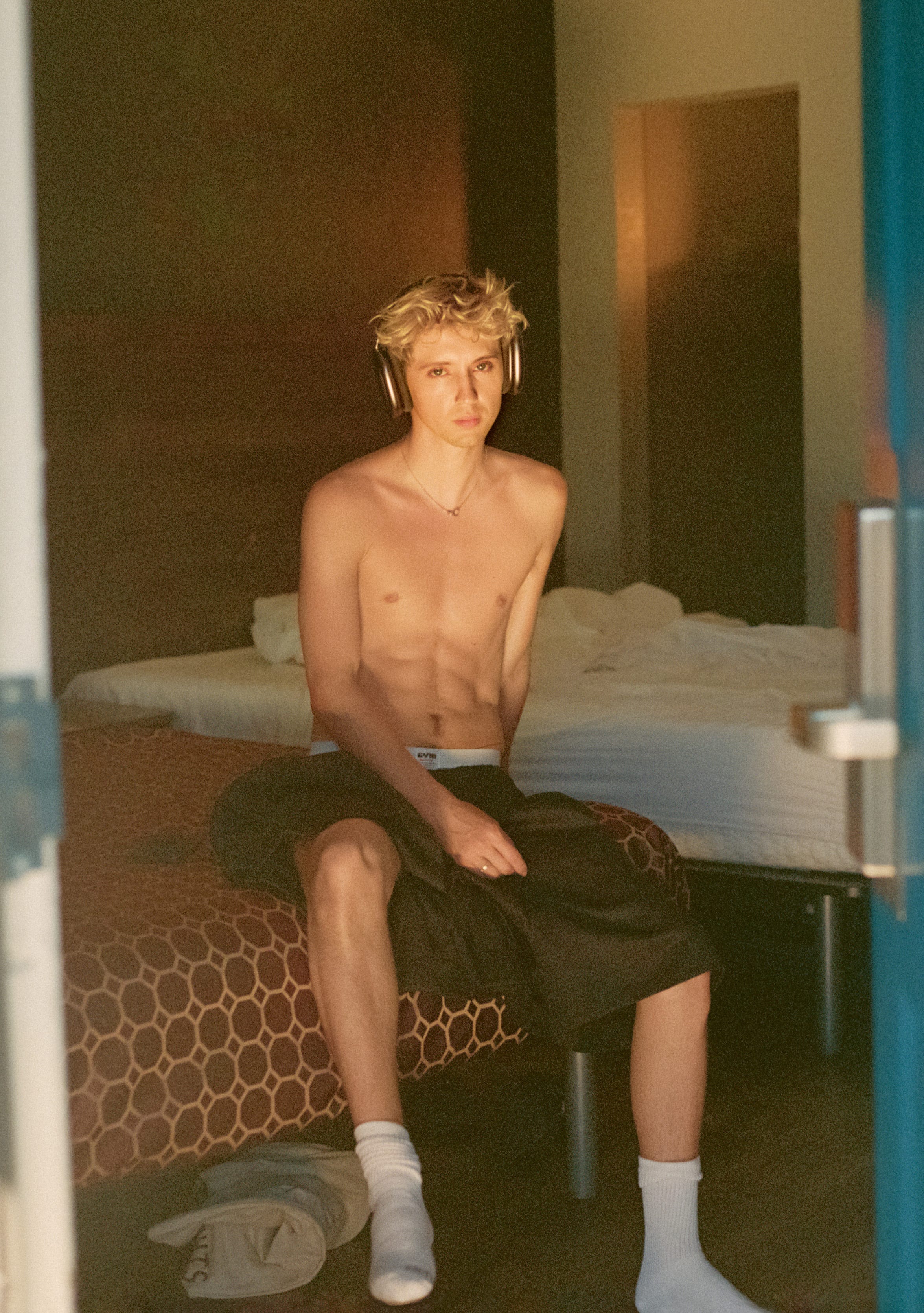
One of the things I find interesting is how many ‘cover only’ celebrities, like Troye Sivan or Kim Petras, show up inside the magazine. How often do celebrities come knocking that you say no to? How do you decide who fits?
AP: People are proposed to us from both PRs and contributors who’ve already worked with us, and usually it doesn’t work. We really protect the balance because we’re not just trying to cover every celebrity ever. We’re asking: Who actually has something to say that matters to our readers and the queer culture today? Sometimes the answer is “no”, but surprisingly it’s often “yes” from people that you would never expect to say yes to you. People who may in other magazines have a team of people asking for tons of stuff from us respect [the way we work]. But I do have many emails back and forth like “No stylists, we can’t do this, we can’t do that.” There’s a bit of explaining to do sometimes, that this is something different, beautiful, and freeing.
GJ: Andrew is very good at it. People think that they can pick their own pictures, and so on, and Andrew keeps it away from us when we’re making the magazine. We don’t realize that you’re having these debates and late night phone calls with worried people. In the end, everybody’s always happy.
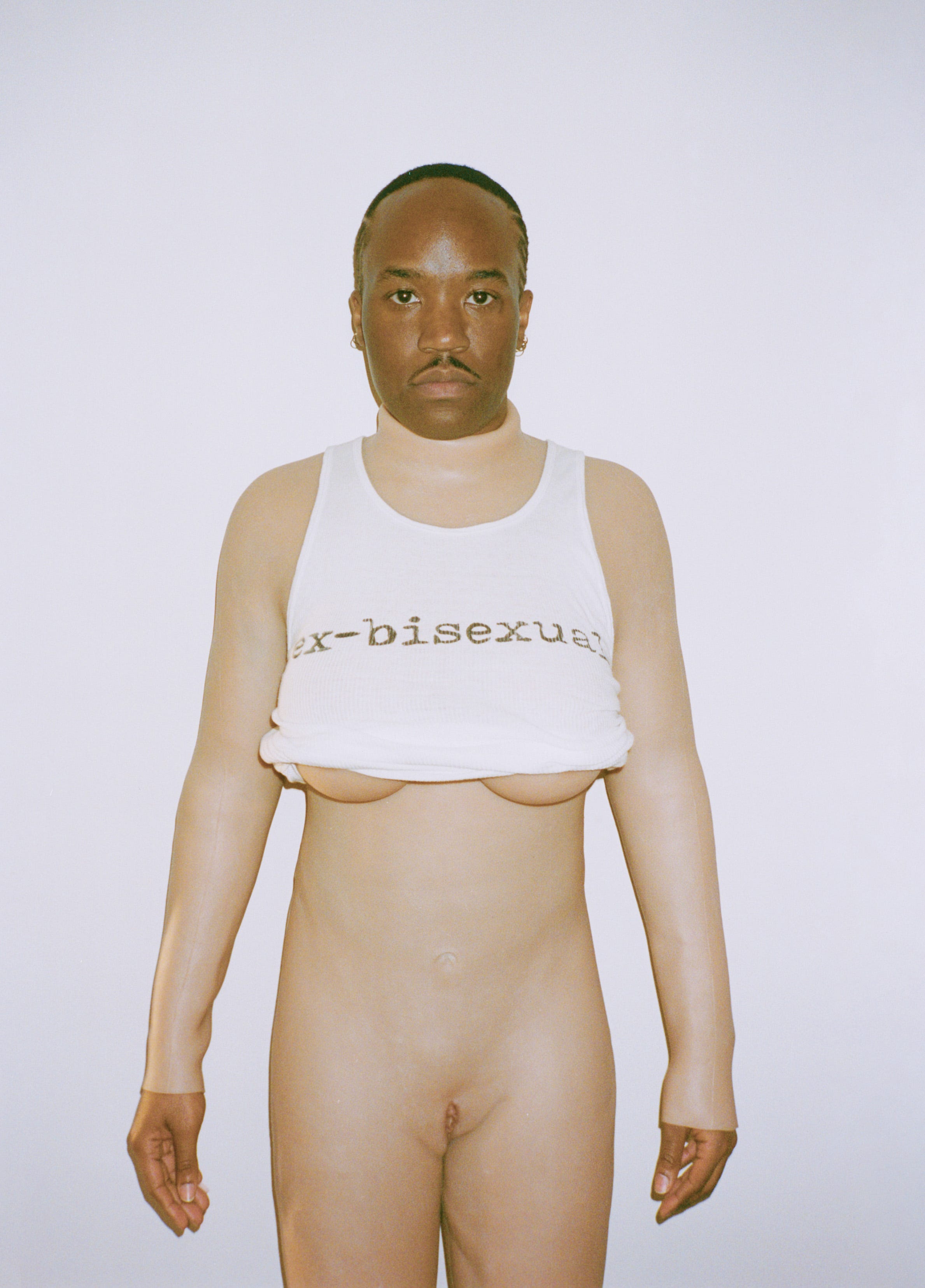
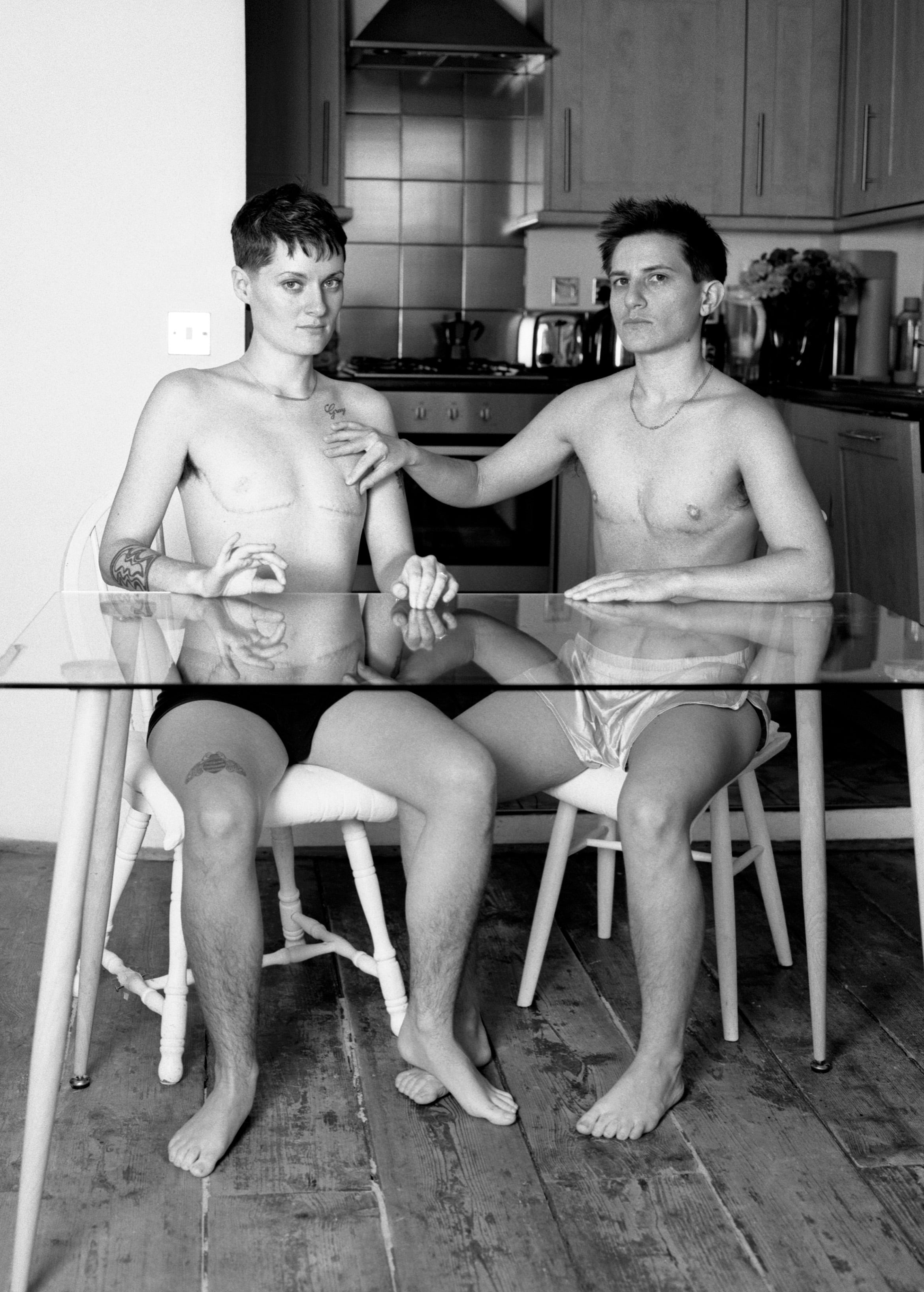
It’s super difficult to make an image of someone naked not look like it’s taken under duress today. You see them everywhere. But no one ever looks uncomfortable in BUTT.
GJ: That has been a rule from day one, to not have photos that feel like a money shot. What’s the point of forcing somebody into something?
AP: A lot of it has to do with styling. Not to be shady to fashion magazines, because there are amazing ones—Gert is making one right now—but when you force people into a bunch of clothing, the whole situation becomes different.
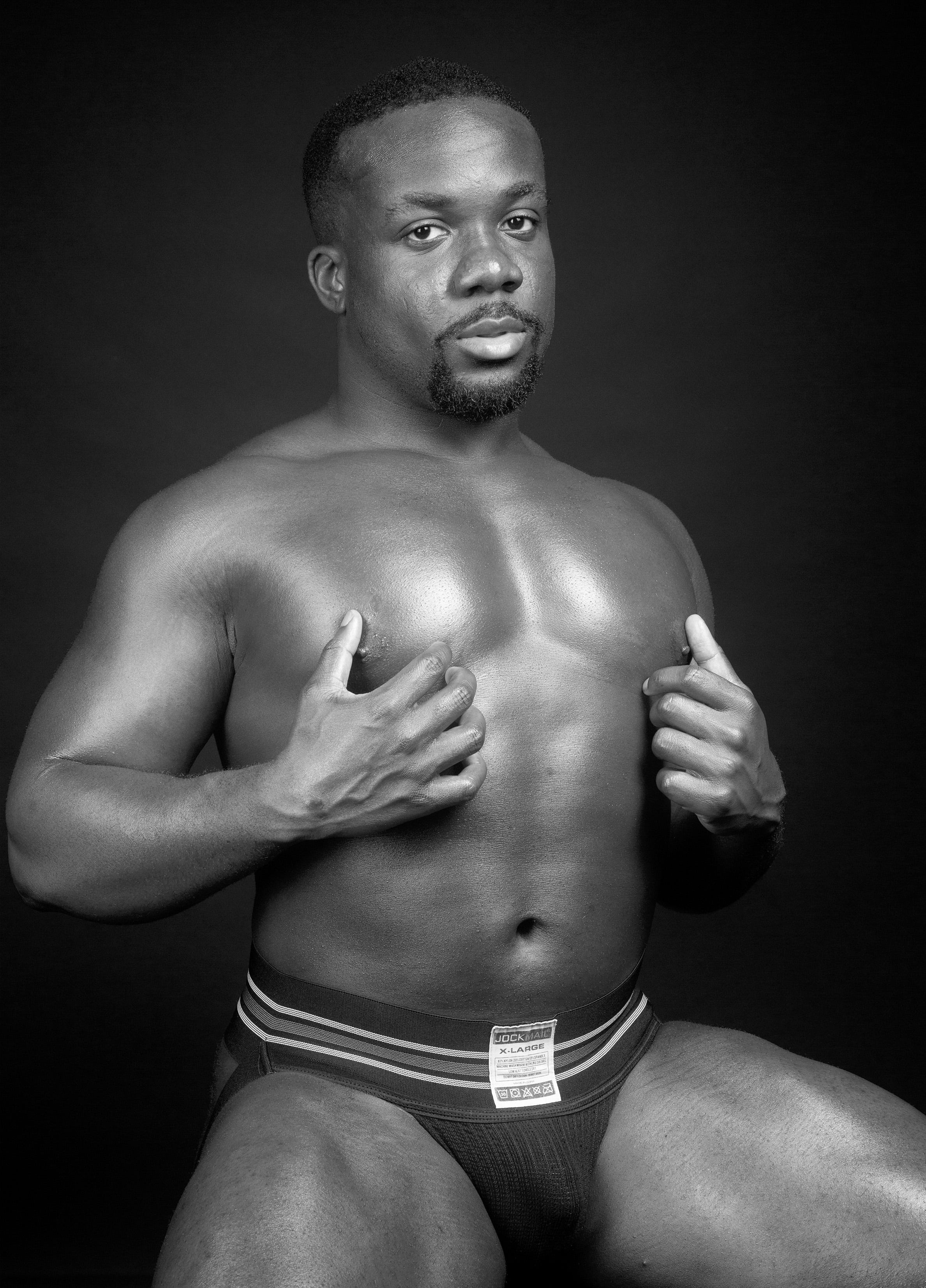
Andrew, in your essay in NEW BUTT you talk about the “new unhinged woke.” I wondered if you could talk about the magazine as a reaction to the political moment.
AP: When the magazine came back in 2022, it felt like the tail-end of an era of political correctness and box-checking that didn’t have much humor. The kind of woke-ness that led to conservative backlash. Nowadays, I see much more humor on the left and in progressive circles in the U.S. and Europe. At BUTT, we’re always trying to think about the real diversity of people that goes from class to race to also just perspective on life. Treating people equally has been a core of the magazine from the beginning. You can be a garbage man or a pop singer and like you’ll get the same editorial treatment, with humor too. Maybe when we relaunched this felt discordant to the cultural moment, but it now feels like we’re speaking in ways that I see in media and politics too, this “new unhinged woke.”
GJ: I agree. The equal treatment of people has always been the [magazine’s core] idea. The grave engraver gets a cover, and the famous pop star also gets eight pages somewhere in the magazine, because they’re genuinely, equally interesting people.
Is there a figure from gay history you’d have liked to have featured in the magazine?
AP: We were trying to get Udo Kier around a year ago. We were quite deep into it with dates and stuff, and then he died. It would have been an amazing story of him in Palm Springs, but it never happened.
GJ: Gary Indiana, I think, passed away on the day that the issue [he was in] came out. We were very lucky to have him. We have featured a lot of people in the long history of the magazine. Somebody like Peter Berlin was great to have in the magazine. It would have been amazing to have Andy Warhol in there, because I think he’s our godfather, like he is for every other modern magazine. Freddie Mercury could have been funny. I’m still very sorry that we never got to speak to George Michael.
For each issue, you guys tend to host fun parties to launch them. Is there something you’ve seen at those parties that’s made you feel proud to have been at least partly responsible for it?
AP: I’d say one of the more successful parties we had was when we somehow convinced Bottega Veneta to sponsor a club night at The Eagle in New York. We had this amazing lineup, and Kevin Aviance performed, and every PR in New York was in the dark room.
GJ: I was proud when we got Malcolm McLaren to DJ at a BUTT party in Paris, around 2003 or 2004. That was quite amazing. I think it’s great if people meet each other. That’s one of the most beautiful things: to be a facilitator of romance.
“We met at the BUTT party, then we got married…”
AP: We get messages from couples who’ve been together for 10 or 15 years who met on [the magazine’s old online dating platform] Buttheads, and they lived on opposite sides of the world. It is a place of romance!
My final question: What’s your favorite gay slur?
GJ: This is the most difficult question you’ve asked.
AP: Slur as in slang?
I oscillate between “fairy” and “f*ggot.”
GJ: I like “queen!”
AP: People think “cocksucker” is a slur, but it’s really not, especially in 2026.
GJ: What’s not to like about that?
NEW BUTT is available now from TASCHEN.
ALL PHOTOGRAPHY copyright BUTT Magazine (2026)

I’m in my ephemera era right now. It’s all I spend my money on. Most recent purchase: This flyer from Leigh Bowery’s first ever US performance.
I saw Paranormal Activity on stage in London the other week. Not quite as lingering or effective as the movie, but fun to see a trick happen on stage and have genuinely no idea how they did it.
Shook hands with Robert Pattinson the other week, which means I’ve been in dangerously close proximity to Bond.
