You can spend a lot of time mulling over the state of cinema when you’re shipping yourself back and forth from Venice to the Lido where the oldest film festival in the world takes place. For the last 11 days, I sure did.
It might not feel like it, considering how many movies came out this summer that seemed to do gangbusters at the box office (did you know that Spider-man movie has made $2.5 billion dollars?), but the general consensus from the independent movie world is that 2026 was cooked. Ask any reporter for a trade magazine and they will confirm the feeling. That was the word on the street during the Cannes Film Festival back in May, but back then, I disagreed with that assessment. Then I arrived in Venice and heard much of the same thing. I’m on a boat heading back to Marco Polo airport feeling, well, whelmed.
For reference: the Venice Film Festival recently birthed Yorgos Lanthimos movies like Bugonia and Poor Things alongside big Oscar players like The Brutalist and Frankenstein. It’s where Fight Club and Memento and Spring Breakers found their first audiences. Heck, Lady Gaga was minted as a movie star when she arrived at the festival for A Star is Born in 2018, and then had to endure the horror show that was Joker: Folie à Deux on the same carpet in 2024.
Compared to Cannes, Venice is a somewhat fresher experience for me. If I’m counting correctly, this year was my fifth. Usually, I come away feeling like I’ve either witnessed true film mastery or at least a moment for the culture. I was in the room for the Don’t Worry Darling press conference, which Florence Pugh famously sat out. I could press my ear to the wall of the theater where Chris Pine x Harry Styles “spitgate” occurred. I saw stars like Timothée Chalamet and Jacob Elordi met with fan hysteria as they stepped off the boat. This year—bar a brief appearance from Robert Pattinson—felt muted by comparison.
We could have expected this from the moment the line-up was announced back in early August. There were no real surprises. We all had our fingers crossed for Tom Ford’s new film Cry to Heaven, but it wasn’t finished in time. The only unpredicted film, really, was Naza—the new documentary from two of the four directors of No Other Land, the Oscar-winning film about the lives of the Palestinian community living in a town in the occupied West Bank. Naza was the last film I watched; a documentary about the horrifying mechanics of mass murder, and how those who take part in it can be haunted by it, or wash their hands of their complicity in it entirely. It was a reminder of the kind of important, conversation-stirring stuff we come here for.
Naza had some company—there were a handful of films I came out of the festival genuinely excited about, padding out the mid-off that mostly defined it. Here’s everything I saw, and what I thought of it.
Agata the Writer
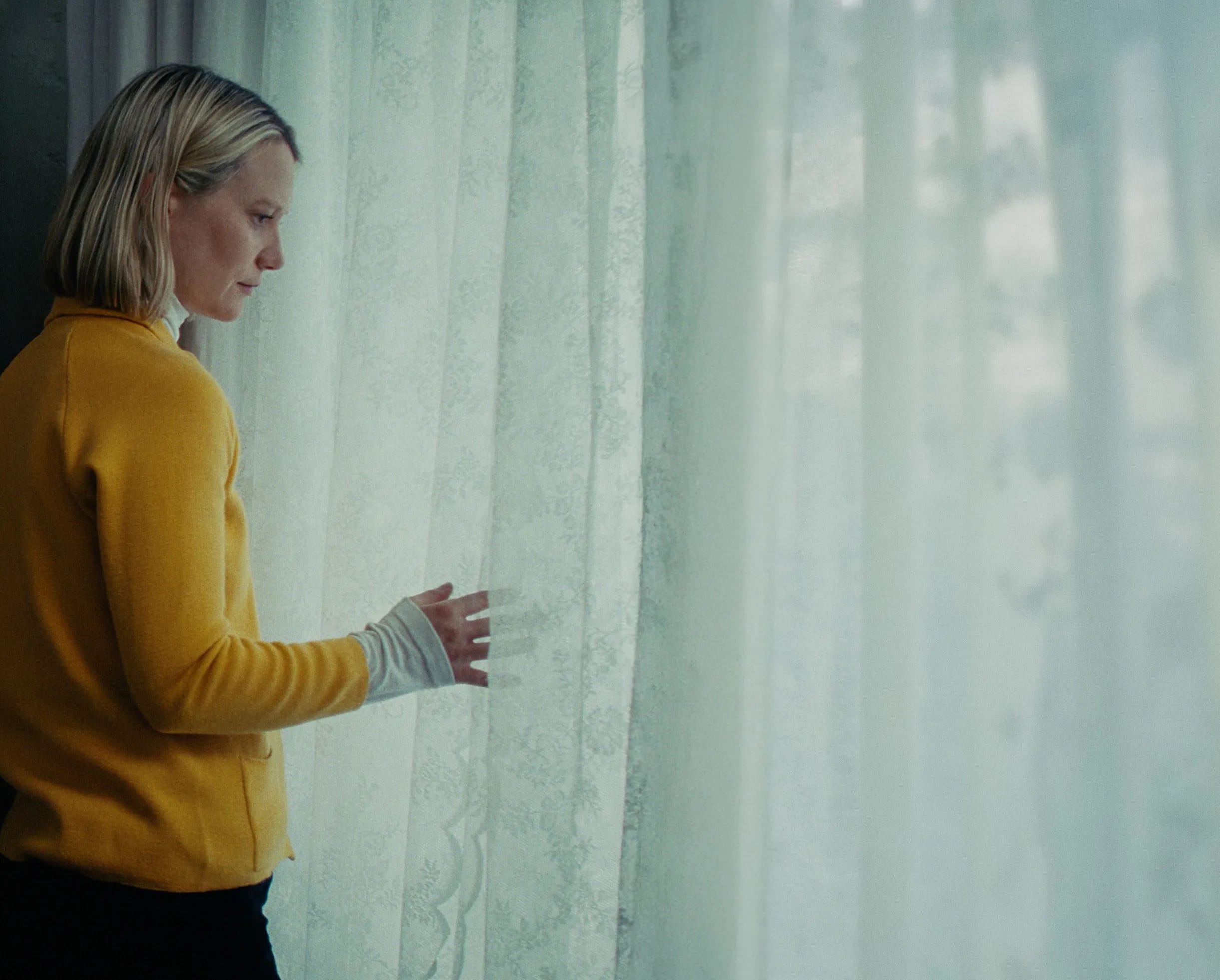
Mia Wasikowska, of Alice in Wonderland, Stoker, and Leviticus fame, adds a new string to her producer bow with this intriguing film about an Australian novelist arriving in Bosnia to house sit for her book editor. She also has the intention of writing a novel set during the war that tore that country apart, but when she meets the locals, her response isn’t as warm as she’d anticipated. It’s an interesting concept, revolving around the idea of creative appropriation, that ends on an ambitious final scene that I respected more than I enjoyed.
Bucking Fastard
Werner Herzog’s first narrative feature film in seven years is a weird romantic fable set in Ireland. After being slammed with a restraining order from a freaked out ex-lover, two sisters who speak, dress, and act in unison, set out to find a world in which their lovestruck quirks are accepted. Great central performances, and a really pungent making of mood, even if it loses its way a little.
Bunker
Florian Zeller, who won an Oscar for his dementia drama The Father, returned to Venice with this relationship drama starring real-life couple Javier Bardem and Penélope Cruz. Bardem plays an architect who’s offered the chance to design a bunker for a malevolent tech billionaire, which forms a rift in their marriage. It’s got promise with its performers, but fairly swiftly turns heavy-handed and stupid.
Company
Casey Affleck, known best for his acting roles, returns to the director’s chair with this story-within-a-story historical western. It looks the part, but is weirdly stony and convoluted, with a first draft script, making it move like molasses.
Eklipse
In the Austrian mountains, two friends on a farm bond over milking cows, messing around on a karaoke machine, and exploring the pastures around them. But when one learns the revelation that their friend’s absent father has AIDS, their close dynamic changes. A gentle and promising film about adolescence and understanding.
Everest: The Other Side
In this documentary from the makers of Free Solo, a thrill seeking couple attempt to achieve something that’s never been done before: scaling the north face of Mount Everest before descending it on skis. It’s a compelling and emotional story, but one that raises a bunch of moral questions around following your dangerous ambitions, and your responsibilities as a parent when you make these things your calling.
Ink
Danny Boyle pivots from zombies to the soulless hacks of Fleet Street in this movie about the rapid ascent of the British tabloid newspaper The Sun in the ‘70s, and the perverted formula that made it all work. Brash, loud, and badly behaved.
Look Back
The celebrated Japanese manga gets a real life reimagining from director Hirokazu Kore-eda. A pair of schoolgirls, both of them mavericks of manga storytelling, band together to become two of the industry’s most prodigious artists. But their early success soon meets the realities of growing up. A deeply special coming-of-age film, featuring a collective of relatively new young performers. It’ll make your heart sing.
Mr Nelson, Did You Kill People?
Harrowing and violent, probably excessively so, this adaptation of an American Vietnam war veteran’s memoir, reflecting on his scarring time as a soldier, is visceral and well-formed. But when it tries to depict the titular character’s reflections on his actions, they’re never quite as convincing or skin deep.
Musk
Alex Gibney, the Oscar-winning documentary filmmaker, takes a stab at summarizing the professional and personal life of billionaire businessman Elon Musk—it takes him 5 minutes shy of 4 hours. Despite not digging up much we don’t already know, it serves as a comprehensive primer on a public figure, one Gibney knows is more dangerous than he is an easily-mocked jester.
Naza
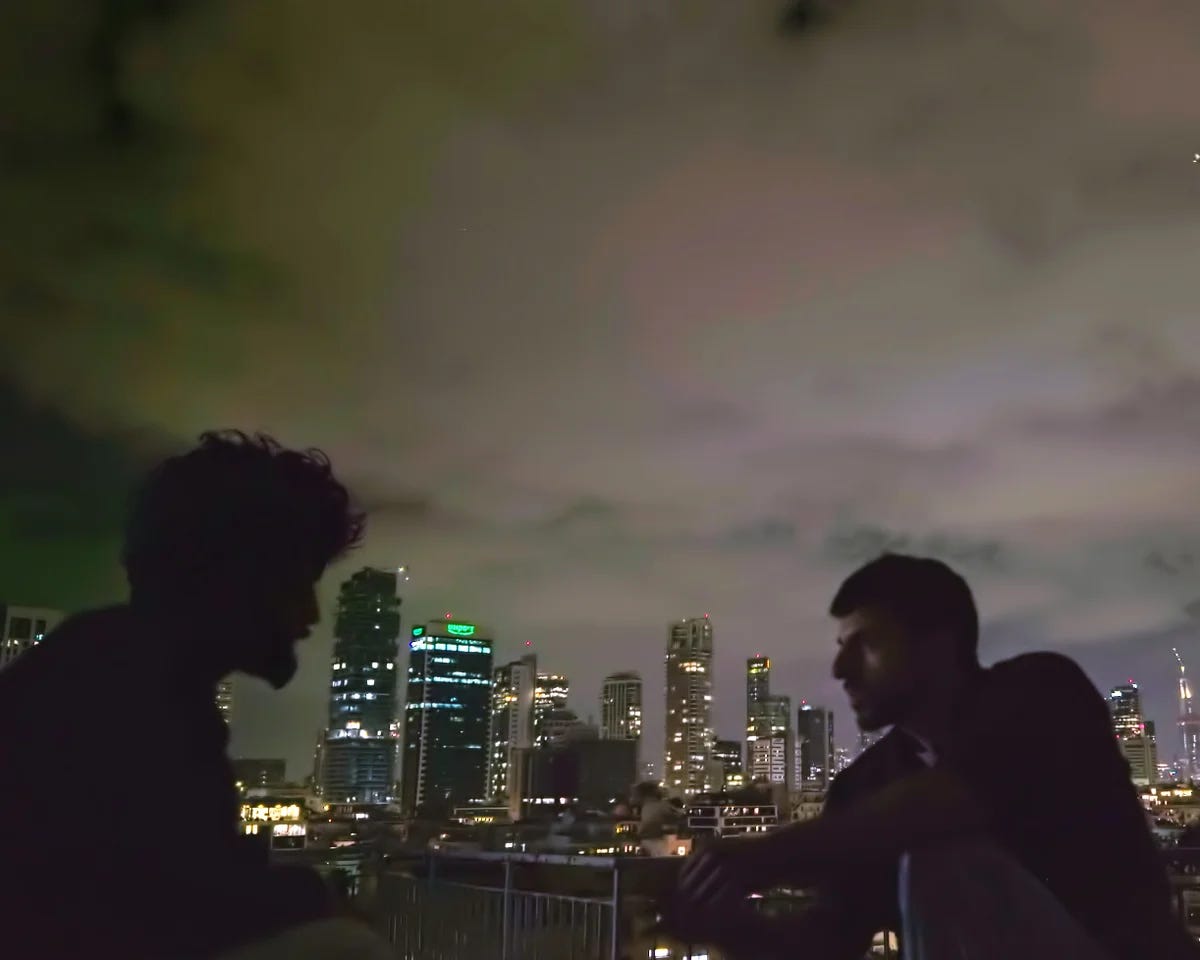
Shot on the pitch black rooftops of Tel Aviv, this documentary mostly uses first person testimonials from the IDF’s technical teams who candidly describe the ways the Israeli military is knowingly murdering innocent civilians in Gaza. It’s shocking; a horrifying feat of journalism.
Oasis: Don’t Look Back in Anger
In the lead-up to their long awaited reunion, filmmakers Will Lovelace and Dylan Southern gain unique access to Liam and Noel Gallagher, following them on the road as Oasis tours the world. It functions as a great concert movie, but also feels like two other things: a portrait of forgiveness, and a film about the near religious impact of live music. You’ll never see more grown men cry; it’s so euphoric it could solve the male mental health crisis.
Place to Be
Hungarian director Kornél Mundruczó made his English language debut with a gruelling portrait of a difficult birth ruining a relationship in Pieces of a Woman. His third is much frothier, featuring Hollywood legend Ellen Burstyn as an elderly woman trying to find a new home for a pigeon that’s flown through her window. It also features Taika Waititi, who despite being quite annoying sometimes, fits the brief of a hapless real estate divorced dad character well. Fine!
Possible Love
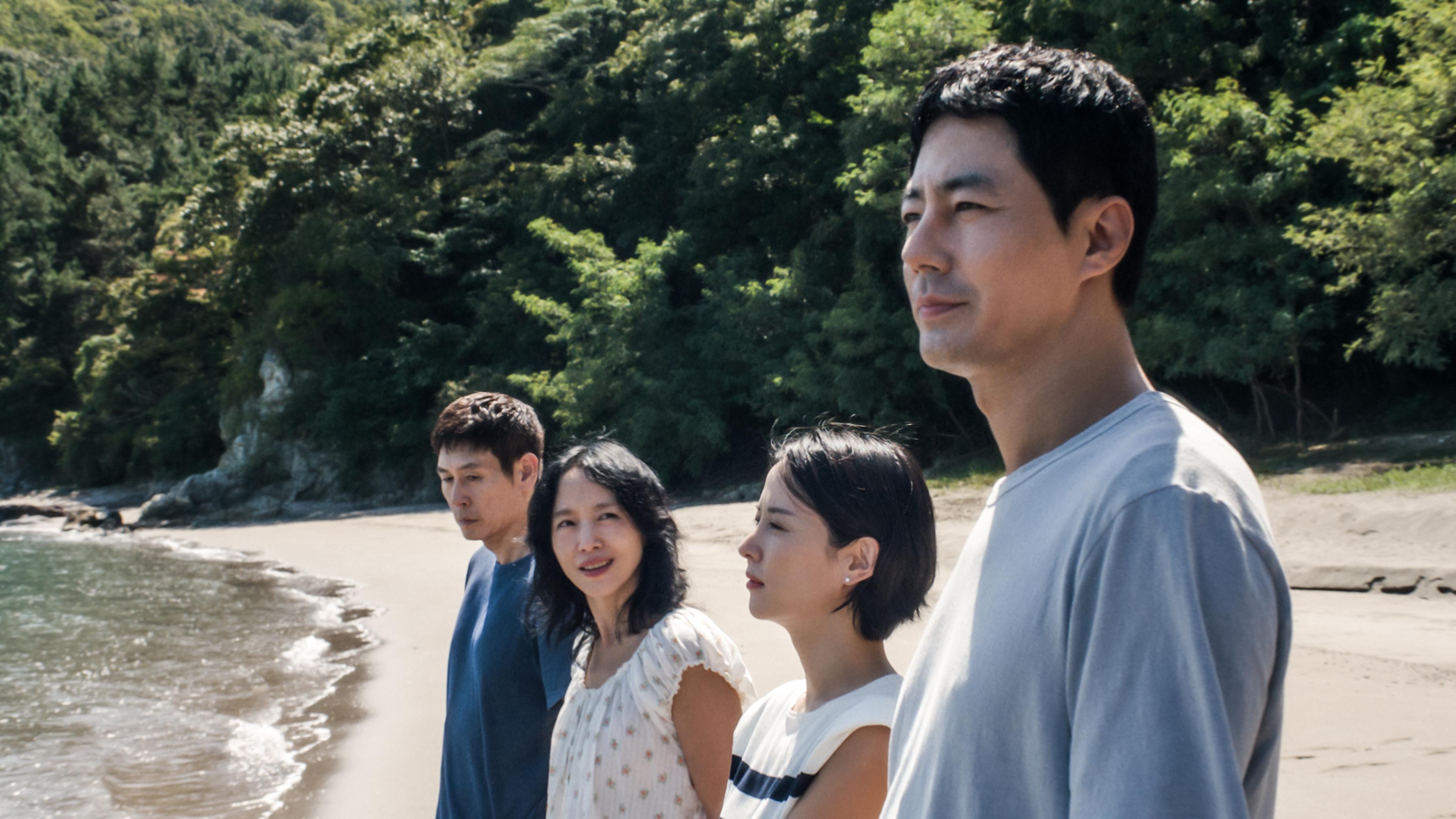
The big, novelistic centerpiece of this year’s festival was the return of Lee Chang-dong, the Korean director known best for his masterful last movie Burning. This one is more grounded, but equally thought provoking and beautiful. A laid off worker at a steel factory and her depressed husband cross paths with a well-to-do filmmaker who wants to make a documentary about unemployment in Korea, and her VC husband. There’s a shared fascination, as if the subject and the director are piercing the class membrane that separates their lives—but are they friends? Or is there something more exploitative at play?
Primetime
The starriest film at this year’s festival was also one of its best, which isn’t always the case. Lance Oppenheim’s film about the voyeuristic schadenfreude of American culture, Primetime, is partly a takedown of the now-defunct reality show To Catch a Predator, and a portrait of its fearless leader Chris Hansen (played here by Robert Pattinson). Tense and blackly comic, it feels weird to call it a crowd pleaser, but that’s probably the truth.
Queer Edward II
Now legendary cinematographer Seamus McGarvey spent time on the set of Derek Jarman’s exuberant and very gay take on Edward II back in the early ’90s, in the company of Tilda Swinton, responsible for capturing some BTS footage. Over 35 years later, that same footage has been stitched together anew by first time filmmaker Theo Rollason, into a thrilling and emotive portrait of a punk-minded filmmaker, and a seismic moment in British gay activism. The real breakout of this year’s Venice.
The Basics of Philosophy
This movie, supposed to be Paul Schrader’s commentary on cancel culture and atonement, is hokey and misjudged with the sheen of a Lifetime movie. About a philosophy professor confronted with the ghosts of his past. Hilariously eligible for the Queer Lion, the festival’s prize for LGBTQ+ cinema, despite its queer characters being plucked straight from the year 1981.
The Color of the Sun
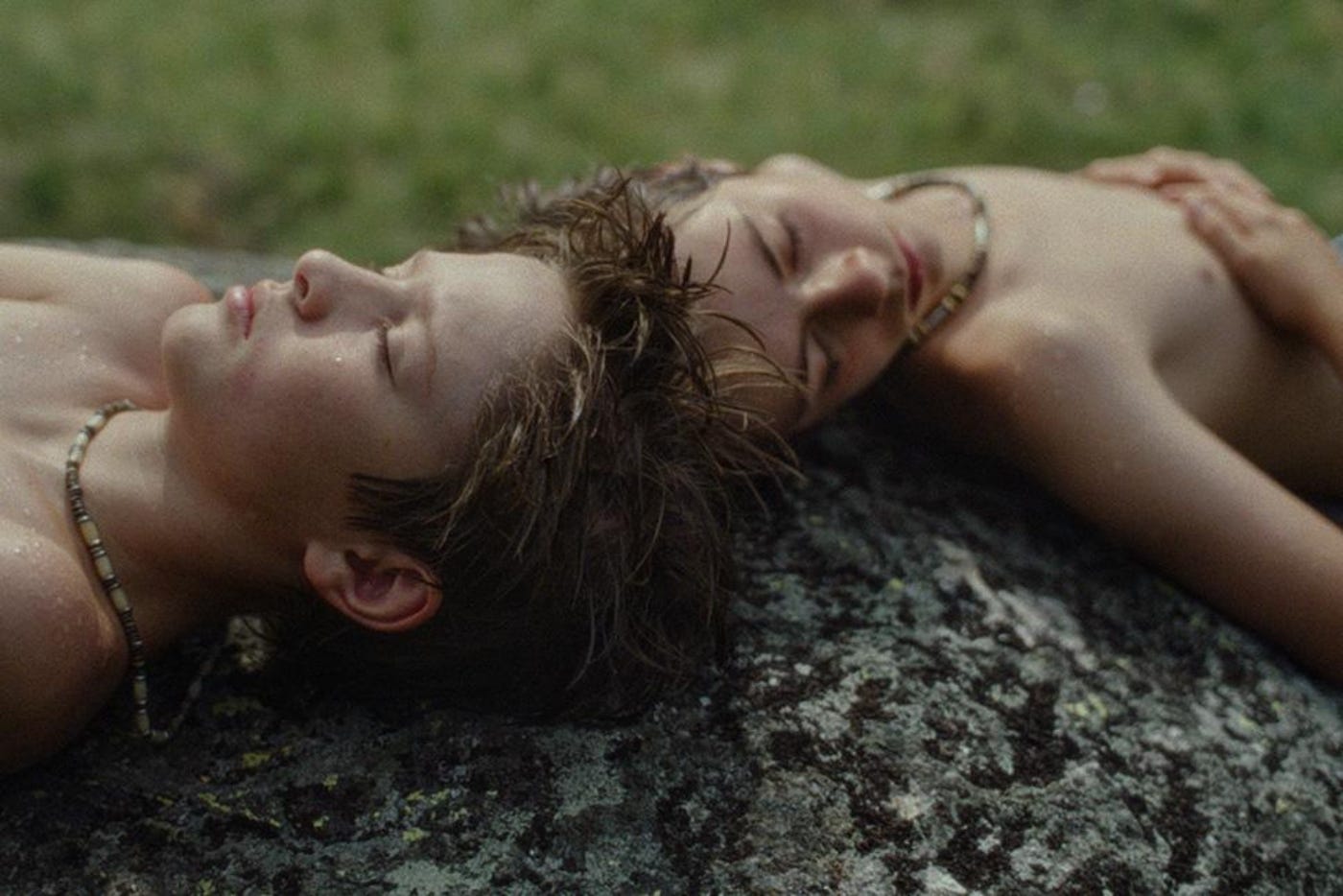
You might anticipate something with a Jeremy O. Harris co-sign to be writerly, but this debut feature from Xavier Tera, which he produced, is all-consuming, moody, and very often wordless. In Okinawa, a teenage boy and his mates are enjoying their final summer before graduating high school, jumping in the river and kissing girls—at least they’re trying to. Then an American boy from a nearby military base shows up, and the language barrier creates a new kind of communication.
Too Much Sugar
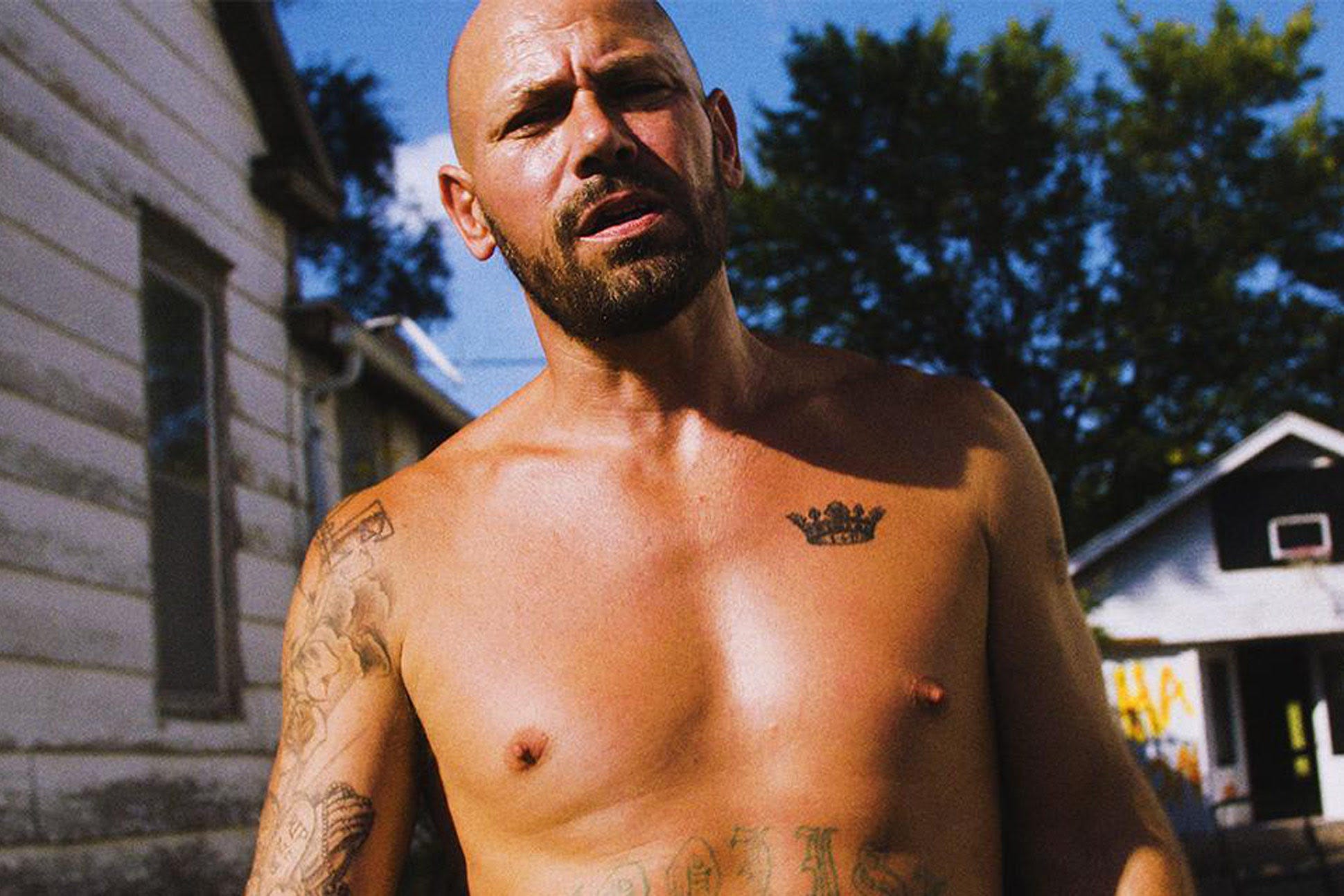
Filmmaker Robert Greene frequently makes documentaries that toe the line between real and make-believe, and his latest is no different. Too Much Sugar was born from a chance encounter he had with a parent from his kid’s basketball class. That man was Ryan Holliger—a small-town Missouri guy who’s always seen himself as a superstar. Too Much Sugar is a film about him, and the friends and family members who surround him, but it’s also, in part, about Greene realising the filmmaking dreams of those people too, as their own imagined stories are realized along their own tragic, bittersweet narratives.
Wild Horse Nine
The big Oscar hopeful from this crop. Martin McDonagh, he of The Banshees of Inisherin fame, directs this story of a CIA veteran and his protege sent by their bureau chief to the Easter Islands. It’s a big dad-friendly black comedy about the legacy of a friendship and the life we leave behind us. John Malkovich might, and should, win an Oscar for it.
Woman Unknown
The only film directed by a solo woman in this year’s competition was this morally sticky and absorbing story of a Danish woman living in post-WWII Copenhagen. She survived Nazi-occupied Denmark by sleeping, literally, with the enemy. But when word starts to spread about that secret, she finds the walls of her new life closing in around her.